


10 Innovative Employee Wellness Program Ideas for a Healthier Workplace in 2026
-
In today's demanding work environment, physical discomfort isn't just a minor inconvenience; it's a silent drain on productivity, morale, and retention. From persistent back pain due to long hours at a desk to neck strain from constant screen time, many of your team members are likely dealing with aches that traditional benefits don't fully address. These issues can lead to burnout, decreased focus, and a significant drop in job satisfaction.
A thoughtfully designed wellness program is no longer a 'nice-to-have' but a strategic investment in your company's most valuable asset: its people. Creating a supportive environment involves more than just standard benefits. To truly address employee suffering and build an inclusive workplace, consider implementing practical reasonable adjustments for neurodivergent employees that foster inclusivity and support alongside physical wellness initiatives. This comprehensive approach ensures every team member feels seen and cared for.
This article moves beyond generic advice to provide a comprehensive roundup of 10 actionable employee wellness program ideas that deliver measurable results. We will explore practical, budget-friendly solutions, including the profound benefits of integrated therapies like massage and targeted heat therapy. For example, providing access to clinic-trusted heat packs for neck and shoulder pain can offer immediate, drug-free relief right at an employee's desk, demonstrating a direct commitment to their comfort.
You will learn how to implement everything from on-site heat therapy stations and ergonomic overhauls to remote worker pain relief packages and seasonal wellness challenges. Prepare to transform your approach to employee well-being and create a workplace culture where employees feel supported, valued, and physically capable of doing their best work.
1. On-Site Heat Therapy Station
An on-site heat therapy station is a designated space where employees can access microwavable heat packs for immediate, drug-free pain relief. This simple yet powerful employee wellness program idea directly addresses the physical strain of office work, such as neck stiffness, shoulder tension, and lower back pain from prolonged sitting. Imagine an employee struggling with a tension headache after hours staring at a screen. A quick 15-minute break with a heated neck wrap can soothe the muscles, ease the pain, and allow them to return to their work feeling refreshed and focused—a small intervention with a significant impact on their day.
By creating a "comfort corner," companies empower their team to manage discomfort proactively. The benefit of heat therapy lies in its ability to increase blood flow, which helps relax tight muscles and alleviate pain. This isn't just about feeling good; it's about maintaining focus. When an employee can quickly address a nagging backache, they can return to their tasks with renewed concentration, demonstrating a genuine commitment to their well-being.
How to Implement a Heat Therapy Station
Setting up a station is straightforward and highly scalable, making it an excellent starting point for any wellness initiative.
- Stock the Essentials: Begin by stocking a variety of high-quality, microwavable heat packs. Products like SunnyBay's versatile neck wraps, shoulder pads, and lower back wraps cater to the most common areas of workplace discomfort. Including variety packs allows employees to choose the shape and size that best targets their specific needs.
- Create Clear Instructions: Place simple, laminated instruction cards near the microwave. These should clearly outline recommended heating times and application durations (e.g., "Heat for 90 seconds, apply for 15-20 minutes"). This ensures safety and effectiveness.
- Prioritize Hygiene: Provide washable covers for all heat packs. This simple step makes the station sanitary for communal use and extends the life of the products. Schedule regular laundering of the covers.
- Promote and Track Usage: Announce the new station in company newsletters or team meetings. Encourage feedback and subtly track how often supplies are used to demonstrate the program's value and ROI to leadership.
2. Ergonomic Wellness Program with Heat Therapy Integration
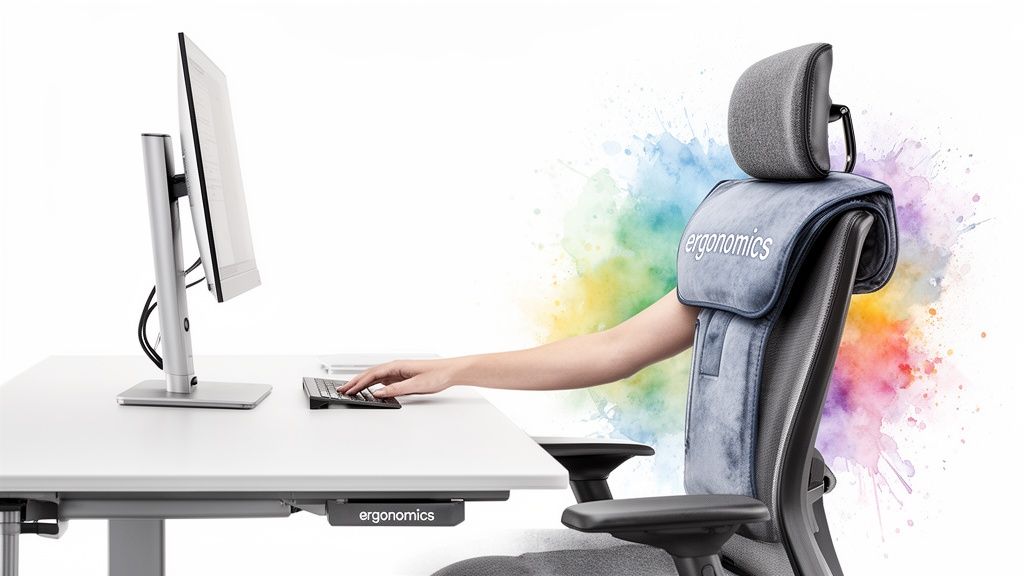
An ergonomic wellness program is a structured initiative that focuses on optimizing workstations and work practices to fit the employee, reducing the risk of musculoskeletal disorders. This proactive employee wellness program idea goes beyond providing a comfortable chair; it involves assessing individual needs, educating on proper posture, and integrating tools like heat therapy to manage existing aches and pains. For instance, after an ergonomic assessment adjusts a desk setup to relieve back strain, incorporating a heated back wrap helps soothe the residual muscle soreness, accelerating comfort and reinforcing the new, healthier posture.
This comprehensive approach addresses root causes of discomfort. By combining professional assessments with immediate relief solutions, companies create a healthier environment. This shows employees that their long-term physical well-being is a top priority, fostering loyalty and reducing absenteeism related to chronic pain.
How to Implement an Ergonomic Wellness Program
Launching a successful ergonomics program involves a blend of expert guidance, practical tools, and ongoing education.
- Partner with Professionals: Bring in certified ergonomists, occupational therapists, or chiropractors to conduct workstation assessments. Their expertise adds credibility and ensures recommendations are tailored to each employee's specific role and physical needs. Consider adding on-site chair massage therapists who can identify and work on specific knots and tension points, providing both immediate relief and valuable feedback on postural habits.
- Integrate Heat Therapy Solutions: While ergonomics prevents future issues, heat therapy addresses current discomfort. Make clinic-trusted products like SunnyBay’s extra-large heating pads for back pain and neck wraps available in wellness rooms. These tools offer immediate, soothing relief for stiffness that builds up during the day.
- Educate and Empower: Host workshops on topics like desk stretches and body mechanics. Provide resources that teach employees how to improve posture at their desks to reinforce good habits.
- Schedule Regular 'Tune-Ups': Ergonomic needs can change over time. Implement quarterly or biannual check-ins to reassess workstations, especially for new hires or employees who have changed roles. This demonstrates a sustained commitment to employee health.
3. Remote Worker Pain Relief Package
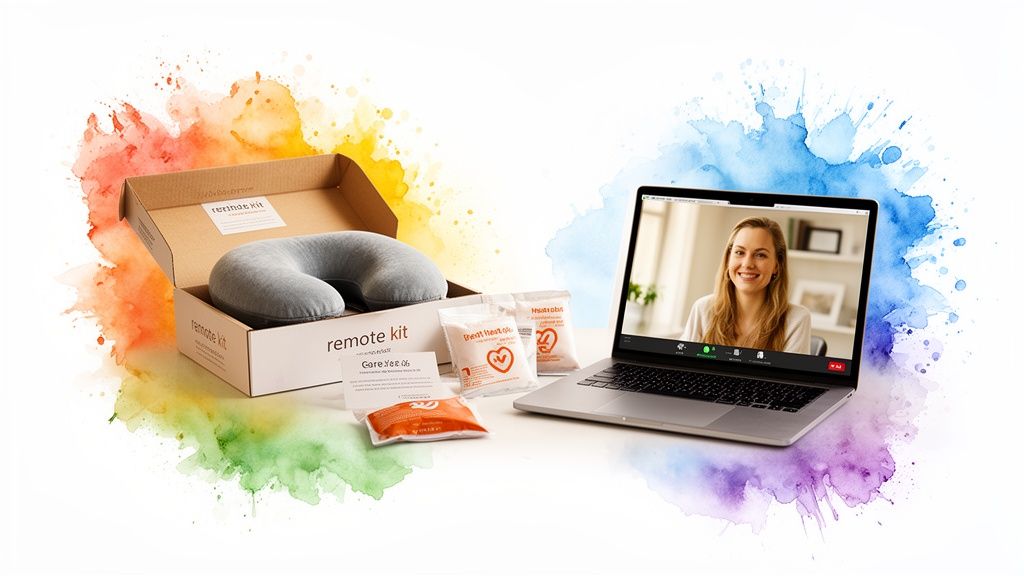
A remote worker pain relief package is a curated wellness kit sent directly to the homes of employees who work partially or fully remote. This powerful employee wellness program idea acknowledges the unique physical challenges of the home office, such as poor ergonomic setups and increased screen time, which often lead to neck strain, eye fatigue, and back pain. Imagine a remote employee, isolated and dealing with "tech neck," receiving a surprise package. Inside, a soothing neck wrap offers instant physical comfort, making them feel seen and cared for despite the distance.
By proactively shipping comfort and relief, companies extend their wellness culture beyond the office walls. These packages demonstrate a direct investment in the health of a distributed workforce, helping employees manage discomfort and stay productive. This small gesture combars isolation and reinforces that every team member's well-being matters, regardless of their location.
How to Implement a Remote Worker Pain Relief Package
Creating and distributing these packages can be a high-impact, low-logistics initiative that supports your team wherever they work.
- Curate Thoughtful Kits: Assemble packages with items that target common remote work ailments. Include a SunnyBay microwavable neck wrap to ease "tech neck," a heated eye pillow for digital eye strain, and travel-friendly hand warmers for those who work from various locations.
- Pair Products with Resources: Enhance the physical products by including links to virtual ergonomic coaching videos or guides on setting up a healthy home workspace. This combination of tools and knowledge empowers employees to create a more comfortable and productive environment.
- Brand the Experience: Send the kits in company-branded boxes to reinforce a sense of team unity and enhance the perceived value of the program. A well-presented package feels less like a corporate handout and more like a genuine gift.
- Offer Tiers and Refreshes: Create different package tiers based on employee roles or tenure. Consider offering an annual refresh or replacement package to keep the program top-of-mind and encourage sustained participation in your wellness initiatives.
4. Post-Injury Recovery and Return-to-Work Program
A post-injury recovery program is a structured initiative that supports employees returning to work after an injury, surgery, or medical leave. This employee wellness program idea goes beyond basic compliance by providing tools and resources, like targeted heat therapy, to facilitate a smoother, safer, and faster transition back into their roles. It focuses on non-pharmaceutical pain management to reduce the risk of re-injury and dependency on medication. Think of a warehouse employee returning after a back strain. Providing them with a high-quality lower back heat wrap and a modified work plan doesn't just manage their pain—it shows them the company is invested in their full recovery.
This is particularly crucial in physically demanding industries like manufacturing, construction, or healthcare. A well-managed return-to-work program can significantly improve employee morale, reduce workers' compensation costs, and retain valuable, experienced team members by helping them manage discomfort and regain confidence in their physical capabilities.
How to Implement a Post-Injury Recovery Program
A successful program requires collaboration between HR, occupational health professionals, and management to create a supportive and effective framework.
- Establish Clear Protocols: Partner with an occupational health nurse or a consulting physical therapist to create official guidelines. These protocols should define when heat therapy is appropriate for pain management (e.g., for chronic muscle stiffness) versus when cold therapy or rest is needed (e.g., for acute inflammation).
- Provide Professional-Grade Tools: Equip your program with clinic-trusted products. SunnyBay's lower back wraps and large body pads are ideal for addressing the most common workplace injuries. Highlighting their use and endorsement by chiropractors in your program materials can build employee trust and encourage proper use.
- Educate and Train: Provide employees with clear, documented instructions on how to use heat therapy effectively for recovery. Include details on application duration, frequency, and signs to watch for. This education empowers employees to take an active role in their own recovery and prevents misuse.
- Track and Document Outcomes: Work with HR to monitor return-to-work success rates and collect anonymized feedback from participants. Documenting testimonials about pain relief and improved function can build powerful case studies to prove the program's ROI and effectiveness to leadership.
5. Wellness Stipend and Personal Heat Therapy Selection Program
A wellness stipend is a flexible allowance that empowers employees to choose their own wellness solutions, including high-quality heat therapy products. This personalized approach to employee wellness program ideas shifts the focus from one-size-fits-all programs to individual choice, acknowledging that each employee’s comfort and pain relief needs are unique. It’s a powerful benefit that supports physical well-being while giving the company a predictable, fixed wellness budget.
By providing a dedicated fund, companies enable team members to select the specific tools that will make the biggest difference in their daily comfort, whether it's a neck wrap for easing screen-induced strain or a lower back pad for sitting-related pain. An employee could use their stipend for a professional massage to address a specific issue, then purchase a heat pack to maintain that relief at home. This model is a popular feature in the most attractive and comprehensive employee benefits packages, as it demonstrates a deep trust in employees and a modern commitment to their personal health journeys.
How to Implement a Wellness Stipend Program
Setting up a stipend program is an effective way to offer tangible, personalized support with minimal administrative overhead.
- Set a Meaningful Stipend: Establish an annual stipend amount, such as $150-$200, that allows employees to purchase a meaningful selection of products. This budget is sufficient for items like a SunnyBay neck wrap and a larger lower back heating pad, covering multiple pain points.
- Create a Curated Selection: Partner with a supplier to create a dedicated corporate portal or a curated list of approved products. This simplifies the selection process for employees and ensures they are choosing high-quality, effective heat therapy solutions. Offer pre-made bundles, like an "Office Comfort Kit" or a "Chronic Pain Relief Set."
- Guide Employee Choices: Help employees make informed decisions by providing resources like a short quiz ("Which Heat Pack is Right for You?") based on their specific type of discomfort. This ensures they get the maximum benefit from their stipend.
- Promote and Track the Program: Announce the stipend program and explain its benefits in company communications. Regularly send emails highlighting seasonal recommendations or new products. Track redemption rates to measure engagement and demonstrate the program's ROI and value to leadership.
6. Wellness Ambassador Program with Heat Therapy Education
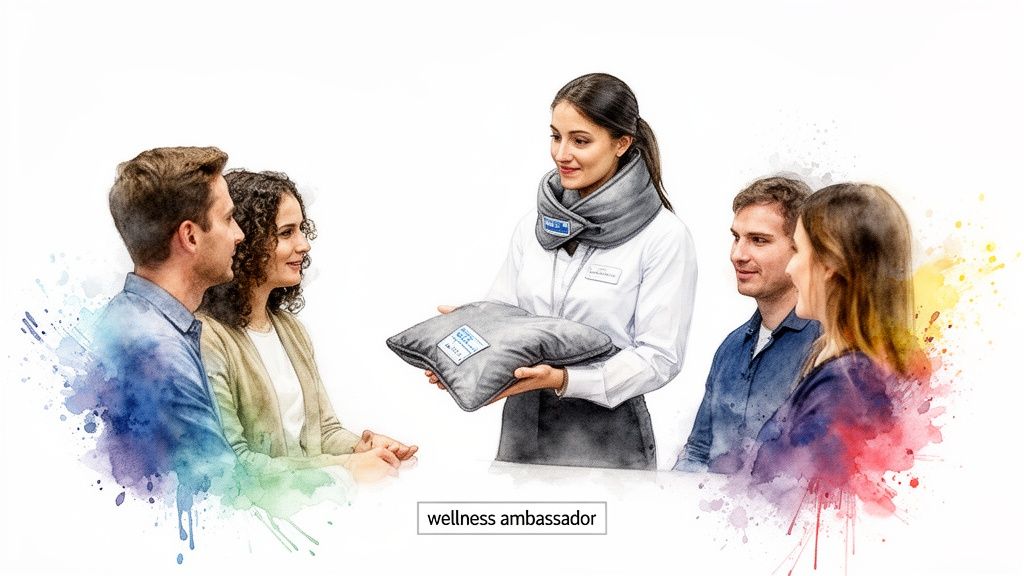
A wellness ambassador program is a peer-led initiative where enthusiastic and well-trained employees champion health initiatives within their departments. This approach personalizes corporate wellness by creating relatable advocates who can effectively communicate the benefits of programs like heat therapy for managing common workplace aches and pains. By empowering these internal champions, you decentralize wellness efforts and build a genuine, grassroots culture of health.
Instead of a generic HR email, imagine a colleague from another department demonstrating how a heated shoulder wrap helped them relieve tension after a stressful project. This personal testimonial is far more convincing and makes wellness feel accessible. Ambassadors can offer hands-on demonstrations and share real-world examples, directly addressing issues like poor ergonomics and muscular tension before they impact productivity.
How to Implement a Wellness Ambassador Program
Building an effective ambassador network relies on providing your champions with the right tools, training, and support to succeed.
- Recruit Passionate Advocates: Invite applications from all departments to ensure diverse representation. Look for individuals who are natural communicators and genuinely passionate about well-being, not just senior staff.
- Provide Comprehensive Training: Equip your ambassadors with in-depth knowledge. This includes training on the benefits of heat therapy, proper ergonomics, and how to effectively use products like SunnyBay neck wraps and lower back pads.
- Create Ambassador Kits: Supply each ambassador with a "starter kit" containing sample products for demonstrations, simple talking points, FAQs, and informational flyers. This empowers them to confidently answer questions and show colleagues how to find relief.
- Establish a Support System: Host monthly meetings for ambassadors to share successes, troubleshoot challenges, and receive ongoing education. Create a dedicated communication channel for them to connect and learn from one another.
- Incentivize and Recognize: Acknowledge their contributions through company-wide recognition, small bonuses, or wellness credits. Providing ambassadors with exclusive product discounts for personal use is another excellent perk that rewards their commitment.
7. Seasonal Wellness Challenge with Heat Therapy Tracking
A seasonal wellness challenge is a gamified program that encourages employees to adopt healthy habits through friendly competition and shared goals. By incorporating heat therapy tracking, this employee wellness program idea directly ties a key comfort tool to broader well-being initiatives like pain management, improved posture, and active recovery. This transforms a simple wellness perk into an engaging, measurable activity.
Framing wellness as a seasonal challenge with teams and leaderboards creates excitement and a strong sense of community. Employees track activities, such as taking a "stretch and heat" break to soothe neck tension or using a lower back wrap after an ergonomic assessment. When an employee logs their "Heat Therapy Recovery Session," they're not just earning points; they are consciously building a habit of self-care that prevents minor aches from becoming chronic problems, directly boosting their daily well-being and productivity.
How to Implement a Seasonal Wellness Challenge
Launching a challenge is an effective way to boost engagement and make wellness a visible, collaborative priority.
- Design Themed Challenges: Create challenges that align with seasons or common workplace issues. For example, a "Spring into Flexibility" challenge could focus on stretching and using heat therapy for muscle readiness, while a "Winter Wellness" theme might emphasize stress reduction and soothing warmth during colder months.
- Integrate Heat Therapy Tracking: Make using a heat pack a trackable activity. Employees can earn points for a "Heat Therapy Recovery Session" after a workout or a "Desk Posture Reset" using a heated neck wrap like SunnyBay’s ergonomic options. This quantifies the use of wellness tools and reinforces their value.
- Promote Team-Based Competition: Group employees into teams to foster camaraderie and mutual accountability. This encourages peer support and makes participation more social and fun. Celebrate team milestones and individual achievements publicly.
- Offer Meaningful Rewards: Provide incentives that align with well-being. Prizes could include premium wellness products, an extra day of paid time off, gift cards for healthy lunches, or a donation to a charity of the winning team's choice.
8. Occupational Health Clinic Partnership Program
An occupational health clinic partnership is a formal collaboration between a company and a professional medical clinic to provide employees with expert ergonomic assessments, physical therapy, and direct access to clinically recommended wellness tools. This employee wellness program idea elevates heat therapy from a general comfort item to a prescribed, targeted treatment within a medical framework, addressing root causes of workplace pain.
By establishing a direct referral system, companies provide employees with a clear pathway to professional care. For example, a physical therapist can assess an employee's chronic shoulder strain and officially recommend a specific heat wrap, demonstrating proper application for maximum therapeutic benefit. This clinical approach adds significant credibility and shows a deep-seated commitment to employee health, safety, and long-term well-being.
How to Implement a Clinic Partnership Program
Creating a clinical partnership requires strategic planning and communication but yields significant, measurable health outcomes.
- Establish a Clinical Partner: Research and partner with a reputable local occupational health or physical therapy clinic. During negotiations, leverage the clinical history of products like SunnyBay's heat packs, which have been trusted by clinics for over 20 years, to build a strong foundation for the partnership.
- Develop Referral Pathways: Work with HR and department managers to create a simple, confidential process for employees to seek an assessment. This could be triggered by an employee's self-report of discomfort or a manager's observation.
- Standardize Treatment Protocols: Collaborate with the clinic to integrate specific heat therapy products into their treatment plans. For instance, a protocol for office workers with neck tension might include a professional recommendation for a SunnyBay neck wrap to be used for 15 minutes every three hours.
- Streamline Access and Education: Ensure the partner clinic is stocked with the recommended heat therapy products or create a system for the company to provide them directly to employees post-assessment. The clinic's staff should educate employees on the correct application, duration, and frequency for their specific condition.
- Measure Clinical Outcomes: Track metrics like reduced absenteeism, lower injury reports, and employee-reported pain scale improvements. Presenting this data to leadership will clearly demonstrate the program's powerful ROI and its positive impact on workforce health.
9. Chronic Condition Support Groups with Heat Therapy Management
Chronic condition support groups are safe, facilitated spaces where employees managing long-term health issues like arthritis, fibromyalgia, or chronic pain can connect and share experiences. This powerful employee wellness program idea moves beyond general wellness to provide targeted, empathetic support. It acknowledges the unique challenges these employees face and gives them a community that truly understands.
Integrating practical pain management education, specifically heat therapy, elevates these groups from simple peer support to an actionable resource. For an employee with arthritis, learning from a peer how a heated mitten provides morning relief can be more impactful than reading a pamphlet. By demonstrating how tools like heat wraps offer non-pharmaceutical relief, the company provides tangible help that improves comfort and focus, showing a deep, compassionate commitment to the holistic well-being of every team member.
How to Implement Chronic Condition Support Groups
Creating an effective support system requires sensitivity, structure, and practical resources.
- Establish a Confidential Space: Partner with an Employee Assistance Program (EAP) provider or a licensed counselor to facilitate the groups. This ensures confidentiality and professional guidance. Offer both in-person and virtual meetings to maximize accessibility and comfort for all participants.
- Focus on Practical Pain Management: Dedicate sessions to non-pharmacological pain relief techniques. Demonstrate how different SunnyBay products can target specific conditions, such as using neck wraps for cervical arthritis or extra-large pads for widespread fibromyalgia pain. Practical application is key.
- Provide Tangible Resources: Create resource packets for members. Include information on heat therapy best practices, links to credible articles on how to manage chronic pain, and a list of internal and external support contacts.
- Empower with Tools: Provide sample products for members to try at home. Allowing an employee with arthritic hands to test heated mittens or someone with lumbar pain to use a lower back wrap reinforces the company's investment in their comfort and makes the advice more concrete.
- Promote Inclusively and Celebrate Progress: Communicate the program's availability through confidential channels like the EAP or HR. Focus on creating a supportive community that celebrates small wins and milestones in pain management, fostering a positive and empowering environment.
10. Preventative Wellness Education Series with Heat Therapy Integration
A preventative wellness education series is a structured program of workshops, lunch-and-learns, and digital resources focused on proactive health management. Instead of just reacting to discomfort, this powerful employee wellness program idea empowers your team with knowledge about ergonomics, proper movement, and effective self-care techniques like heat therapy.
By offering consistent, expert-led training, companies can cultivate a culture of preventative health. A workshop could teach employees not just how to stretch at their desks, but also how to use a heated neck wrap afterward to maximize muscle relaxation and prevent stiffness from setting in. This active education on tools like heat therapy and massage therapy moves beyond passive benefits, showing employees how to avoid common workplace injuries and manage stress, leading to fewer sick days, higher morale, and sustained productivity.
How to Implement a Wellness Education Series
Building a successful educational program involves strategic planning and consistent execution. This initiative can be tailored to address the specific needs of your workforce, from office-based teams to those in physically demanding roles.
- Develop a Content Calendar: Plan a year-long schedule of relevant topics. Consider themes like 'Desk Ergonomics and Neck Pain,' 'Lifting Techniques for Back Safety,' and 'Using Heat Therapy for Arthritis Management.' Partner with local physical therapists or chiropractors to deliver expert-led sessions.
- Integrate Practical Demonstrations: Make each session interactive. When discussing neck strain, demonstrate how to properly use a SunnyBay microwavable neck wrap for targeted relief. Showcasing the right way to apply heat therapy reinforces learning and encourages adoption.
- Create Accessible Resources: Record all workshops and make them available on-demand for employees who couldn't attend live. Supplement sessions with downloadable checklists and one-page guides summarizing key takeaways, ensuring the information is always accessible.
- Promote and Incentivize: Use internal newsletters and team meetings to promote upcoming sessions. Gather attendee feedback to refine future topics and consider offering a small certificate of participation to encourage consistent attendance and engagement.
Top 10 Heat Therapy Employee Wellness Programs
| Program | Implementation Complexity 🔄 | Resources & Time ⚡ | Expected Outcomes 📊 | Ideal Use Cases ⭐ | Key Advantages & Tips 💡 |
|---|---|---|---|---|---|
| On-Site Heat Therapy Station | Low — simple setup, limited process steps | Low–moderate; $300–800 initial; 1–2 weeks | Immediate short-term relief; reduced break-time discomfort | On-site offices, break rooms, ergonomic workstations | Convenient, low upkeep; tip: place near break rooms and add instruction cards |
| Ergonomic Wellness Program with Heat Therapy Integration | Moderate–High — assessments + training required | Moderate–high; $2,000–5,000; 4–8 weeks | Fewer injuries, measurable ergonomic improvements and claims reduction | Mid-to-large employers seeking preventative programs | Addresses root causes; tip: partner with OTs/PTs and track before/after metrics |
| Remote Worker Pain Relief Package | Moderate — logistics + virtual consults | Moderate; $150–300 per employee; 2–3 weeks | Higher employee satisfaction; reduced remote turnover and telehealth use | Distributed/hybrid teams and remote workforces | High perceived value and scalability; tip: offer tiered kits and virtual coaching |
| Post-Injury Recovery & Return-to-Work Program | High — medical oversight and protocol development | Moderate; $1,500–3,000 + medical fees; 4–6 weeks | Faster, safer return-to-work; shorter claim durations | High-injury industries (manufacturing, construction, healthcare) | Clinically guided, reduces comp costs; tip: coordinate with occupational health/physicians |
| Wellness Stipend & Personal Heat Therapy Selection | Low — policy and portal setup | Low admin; stipend $100–300/yr per employee; 1–2 weeks | Personalized uptake; variable measurable ROI | Organizations favoring flexible benefits and autonomy | Employee choice boosts satisfaction; tip: provide curated bundles and a corporate portal |
| Wellness Ambassador Program with Heat Therapy Education | Moderate — recruit/train ambassadors | Low–moderate; $500–1,500; 3–4 weeks (0.5 FTE ongoing) | Increased peer adoption and cultural buy-in | Large organizations wanting grassroots engagement | Peer credibility and cost-effective scale; tip: supply ambassador kits and incentives |
| Seasonal Wellness Challenge with Heat Therapy Tracking | Moderate — platform and campaign design | Moderate; $1,000–3,000; 3–4 weeks per campaign | Higher short-term engagement; behavioral tracking data | Companies seeking gamified engagement and team activities | Drives participation and community; tip: use team challenges + meaningful prizes |
| Occupational Health Clinic Partnership Program | Very High — contractual & clinical integration | High; $3,000–8,000+; 6–12 weeks; clinic partners required | Strong clinical outcomes, reduced liability, measurable ROI | Large employers with on-site or near-site clinic needs | Highest medical legitimacy; tip: train clinic staff on product prescriptions |
| Chronic Condition Support Groups with Heat Therapy Management | Low–Moderate — ongoing facilitation needed | Low–moderate; $800–1,500; 2–3 weeks to launch; 4–8 hrs/month facilitation | Improved mental health, retention, reduced medication reliance | Workforces with employees managing chronic pain/conditions | Builds supportive community; tip: ensure confidential facilitation and offer samples |
| Preventative Wellness Education Series with Heat Therapy Integration | Moderate — content development and speaker coordination | Moderate; $1,000–2,500; 4–6 weeks to develop curriculum | Improved health literacy and long-term prevention | Employers focused on scalable prevention and training | Scalable knowledge transfer; tip: record sessions and include product demos |
Take the First Step: Building a Culture of Comfort and Care
Implementing an impactful employee wellness program is a strategic journey, not a final destination. We have explored a wide array of practical and innovative employee wellness program ideas, from establishing an on-site heat therapy station to launching comprehensive clinical partnerships. These concepts are designed not as a rigid checklist but as a flexible roadmap, offering scalable solutions for companies of any size and budget. The core takeaway is that meaningful change begins with a single, deliberate action.
The journey toward a healthier workplace is built on consistent, thoughtful support. Whether you choose to start small with a dedicated comfort corner featuring microwavable heat packs or roll out a company-wide seasonal wellness challenge, the message you send is profound. It communicates that employee well-being is a genuine priority, valued beyond spreadsheets and productivity metrics. By integrating tangible, non-invasive solutions like heat therapy, you address the physical discomfort that often hinders focus, engagement, and overall job satisfaction.
From Ideas to Impact: Your Actionable Next Steps
The transition from planning to implementation is where true cultural change happens. The most effective wellness programs are not merely implemented; they are woven into the very fabric of the company's daily operations. To get started, consider these immediate, actionable steps:
-
Conduct a Needs Assessment: Before launching any initiative, understand what your employees truly need. A simple, anonymous survey can reveal common pain points, from neck strain due to desk work to the stress of managing chronic conditions. This data will help you select the most relevant and appreciated employee wellness program ideas from our list.
-
Start with a Pilot Program: You don't need to launch a massive, company-wide program overnight. Select a small, enthusiastic team or department to pilot one of the ideas, like the "Ergonomic Wellness Program with Heat Therapy Integration." Gather feedback, measure results, and refine your approach before a broader rollout. This method minimizes risk and builds momentum.
-
Appoint a Wellness Champion: Designate a passionate individual or a small committee to lead the charge. This "Wellness Ambassador" can be instrumental in generating excitement, educating colleagues on the benefits of tools like heat therapy, and gathering real-time feedback to ensure the program remains relevant and effective.
The Lasting Value of Investing in Comfort
Investing in employee wellness, particularly through accessible solutions like heat therapy, delivers a powerful return on investment. A comfortable, pain-free employee is not just happier; they are demonstrably more productive, innovative, and loyal. Addressing physical discomfort with a SunnyBay neck wrap or a lower back heat pad can be the difference between a day lost to distraction and one filled with focused, high-quality work.
Key Insight: A culture of care is your most valuable competitive advantage. When employees feel physically supported and genuinely cared for, they become more resilient, engaged, and committed to the organization's mission. This creates a positive feedback loop that attracts and retains top talent.
Ultimately, the most successful employee wellness program ideas are those that are authentic, sustainable, and centered on human needs. They recognize that a person's well-being extends beyond the office walls and that providing tools for comfort and relief is a fundamental aspect of modern leadership. As you move forward, remember that every heat pack provided, every ergonomic adjustment made, and every wellness seminar hosted is a building block in creating a stronger, healthier, and more vibrant workplace. Choose your first step, commit to it, and watch as a culture of comfort and care takes root and flourishes.
Ready to equip your team with clinic-trusted, drug-free pain relief? SunnyBay offers a wide range of high-quality heat therapy and cold therapy products perfect for any of these employee wellness program ideas. Explore our collection of ergonomic wraps, pads, and pillows at SunnyBay to find the ideal comfort solutions for your workplace.


