


Neck Ice Pack Guide for Safe Pain Relief
-
You wake up, turn your head, and feel that sharp pull on one side of your neck. Maybe it started after a long day at a laptop, maybe after sleeping awkwardly, and now you're staring at the freezer wondering whether a neck ice pack is the right move.
That instinct makes sense. Cold therapy has a long clinical history, and modern neck-pain guidance still uses short cold applications early after injury, then heat later once the initial flare settles. For readers dealing with broader mobility or pain questions, Life Primary Care is a useful reference point for understanding how conservative care fits into everyday recovery.
Table of Contents
- The Enduring Role of Cold Therapy in Neck Pain
- Deciding Between Cold and Heat for Your Symptoms
- Evaluating Ergonomic Fit and Hands-Free Designs
- Critical Safety Rules and Application Limits
- Comparing Fill Materials and Daily Maintenance
- Building a Sustainable Pain Management Routine
The Enduring Role of Cold Therapy in Neck Pain
A stiff neck has a way of making ordinary things feel difficult. Turning to check a blind spot in traffic, looking down at a phone, or even getting dressed can turn into a careful, slow-motion task. That's why so many people reach for cold first, especially when the pain feels fresh and sharp.
A practice with deep roots
Cold therapy for neck pain isn't a trend that appeared with modern wellness products. The historical record shows at least 150 years of use, with James Arnott's 1849 report describing salt-and-ice mixtures for headache treatment, and later reviews noting that targeted neck cooling continued to be studied as a clinical approach for pain relief (historical review). That matters because it places the neck ice pack inside a durable therapeutic tradition, not a passing internet hack.
Mainstream medical guidance still reflects that same logic. Mayo Clinic advises using an ice pack, or ice wrapped in a towel, for up to 15 minutes several times a day during the first 48 hours after an injury, then switching to heat (Mayo Clinic neck pain treatment guidance). In practical terms, that means the freezer isn't just a place to improvise relief, it's often the first stop in a standard self-care sequence.
Practical rule: Cold is most useful when the neck feels angry, swollen, or newly strained. It's less useful when the problem is old stiffness without a fresh inflammatory flare.
Why that instinct still works
The reason people still reach for cold is simple. A cold pack can quiet pain enough to let you breathe, move, and stop guarding the area so hard. That short window of comfort can be the difference between “I can't move at all” and “I can gently rotate my neck and get through the day.”
The commercial side of this product category makes sense for the same reason. A neck ice pack isn't a novelty item. It belongs to a longstanding pain-management practice that has survived because people keep needing low-cost, non-pharmacologic relief that fits real life.
For patients who want a tool they can use without making the situation more complicated, the appeal is obvious. Cold therapy has stayed relevant because it meets people where they are, at home, on the couch, or before they can get in to see a clinician.
Deciding Between Cold and Heat for Your Symptoms
The first question is rarely whether a pack is cold or warm. It is whether the neck is acting like fresh irritation or settled stiffness. Cold fits a neck that feels hot, swollen, or newly strained. Heat fits tissue that feels tight, guarded, and hard to loosen.
Match the therapy to the symptom
Cold lowers local inflammation and slows pain signals for a short time. That is why it often helps early after a sudden strain, when the area feels reactive and touchy. Heat works differently. It helps muscles relax and can make movement easier when the neck is stiff rather than inflamed.
The simplest way to choose is to read the symptom first. Sudden pain after a twist, lift, or awkward sleep position often leans toward cold. Posture-related tightness, long screen sessions, and muscle guarding usually lean toward warmth, because the goal is to soften the tissue, not numb it.
| Symptom Type | Best Therapy | Primary Benefit |
|---|---|---|
| Fresh strain or flare after injury | Cold | Calms pain and helps with early inflammation |
| Swelling or hot, irritated tissue | Cold | Reduces the “angry” feeling in the area |
| Stiffness from posture or screen work | Heat | Helps muscles relax and move more easily |
| Tight, achy neck without swelling | Heat | Improves comfort and looseness |
What the randomized trials found
The short-term research on acute neck pain points to modest relief from cold, but it does not make ice the automatic answer for every symptom. In one randomized study of 51 adults with acute, nonradicular neck pain, pain scores fell from 6.31 to 5.00 after ice application, and cold packs reduced pain. In that same study, menthol gel produced about twice the pain reduction and was preferred by patients (trial summary).
A separate randomized trial of 60 patients with acute neck or back strain found similar results between heat and cold, with 51.6% of the heat group and 62.1% of the cold group rating themselves better or much better. Most participants in both groups said they would use the same therapy again (controlled study summary).
A controlled study of acute and subacute noncomplicated neck pain also found that cold packs produced statistically significant short-term pain reduction, while topical menthol performed about twice as well and was rated more comfortable by patients. If menthol gel is available and your skin tolerates it, that evidence suggests it may be a better first choice than a cold pack for some acute neck pain. If it is not available, a cold pack remains a reasonable first step (trial summary). For a broader comparison, this overview of heat therapy versus cold therapy helps separate short-term irritation from longer-lasting tightness.
Cold can be the right first move, but it is not a default solution for every neck symptom.
A simple decision cue
Use cold when the neck feels newly irritated, sharp, or puffy. Use heat when the main problem is stiffness, chronic tightness, or a sense that the muscles need to soften before you can move normally. If the neck feels both sore and tight, choose the feature that is strongest right now instead of guessing based on habit.
The neck's front surface deserves special care. Cooling should stay on the sore muscles at the side or back of the neck, not over the front where the throat and larger vessels sit. That area is not a place to treat casually, because the goal is to calm muscle tissue, not chill the front of the neck.
Evaluating Ergonomic Fit and Hands-Free Designs
A bag of ice can cool the neck, but it rarely does it well. It slips, drips, and shifts off the exact area you want to treat. The neck is a narrow, curved structure, so the shape of the product matters just as much as the temperature inside it.
What a good fit actually does
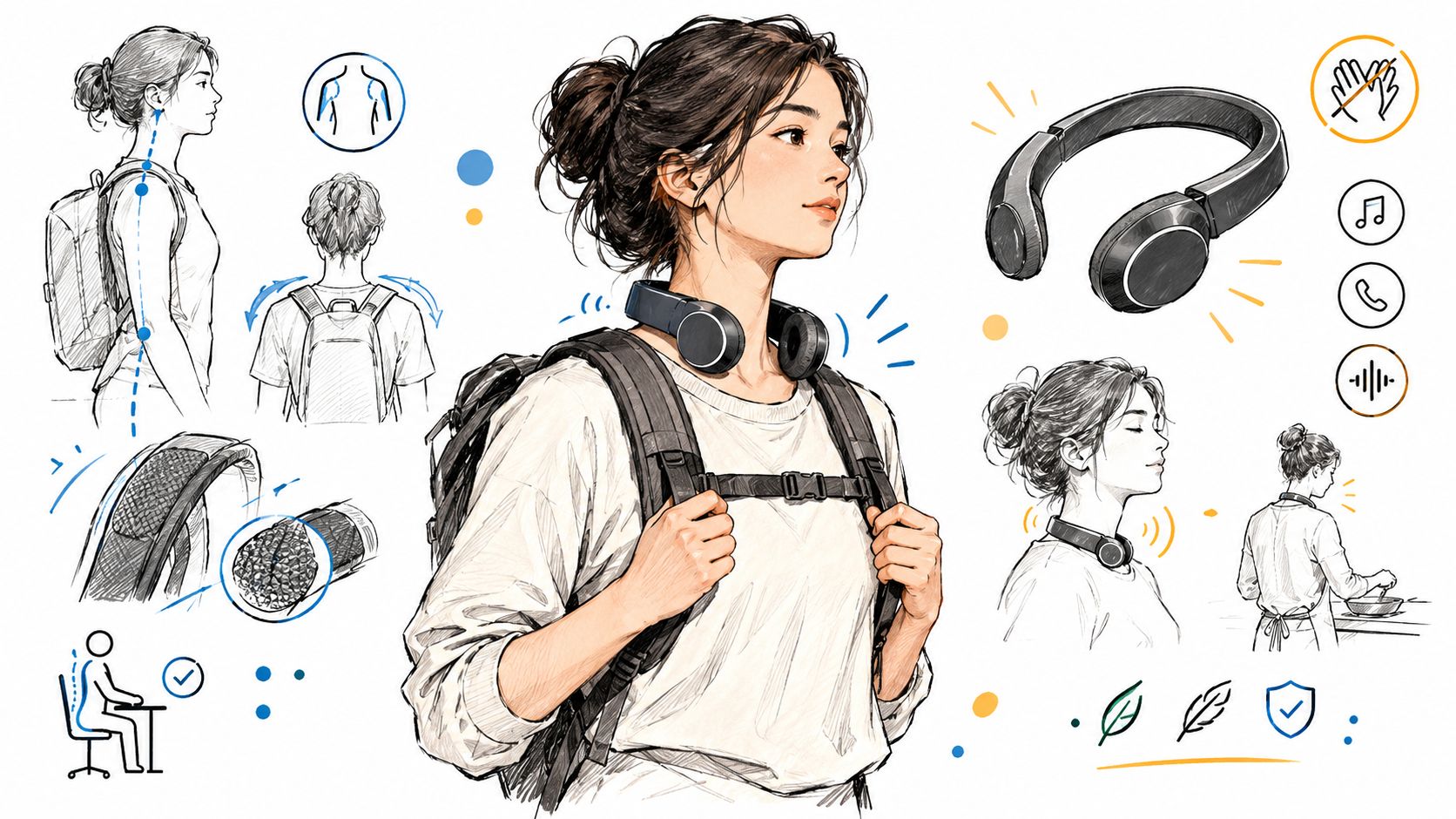
A contoured neck ice pack can drape across the base of the skull, the sides of the neck, and the upper shoulders without forcing you to hold it in place. That matters because effective cold therapy depends on consistent contact. If the pack keeps sliding away, the cooling becomes uneven and the session turns into a chore.
Hands-free straps help because they remove the need to brace the pack with your own shoulders or hands. That frees you to sit, read, or rest without constantly adjusting the product. For many people, that convenience is the difference between using the tool once and using it consistently.
Practical rule: If you have to keep fixing the pack every few minutes, the design isn't working for your neck.
Materials and comfort details that matter
Soft covers, dual-fabric surfaces, and secure fastenings can make the experience more tolerable. The neck is sensitive, and direct cold can feel harsh fast if the skin contact is uneven. A cover that buffers the temperature slightly while still allowing useful cooling is usually more realistic for daily use than a bare, rigid surface.
There's also a difference between a pack that chills the skin and one that conforms to the anatomy. The neck sits between the jaw, shoulders, and upper spine, so a good product should follow the body instead of fighting it. That's why contoured shapes and stable straps often matter more than flashy add-ons.
SunnyBay's catalog includes a large ice bag with strap that can be used with ice or hot water for hot-cold therapy, and it also offers a microwavable neck and shoulder wrap that can be frozen for cold use. Those are examples of how product design changes the practical experience, especially for users who need a more secure fit than a basic square bag can offer.
A quick fit check before you buy
Look for these features:
- Contoured shape: It should sit over the neck and shoulder curve instead of bunching at one spot.
- Adjustable strap: It should stay put without forcing you to hold it.
- Soft outer layer: It should reduce harsh skin contact.
- Flexible when cold: It should adapt to the curve of your neck instead of turning rigid.
- Easy removal: You should be able to take it off quickly if the skin feels too cold.
The goal isn't luxury. It's contact, stability, and comfort long enough for the cold to do its job.
Critical Safety Rules and Application Limits
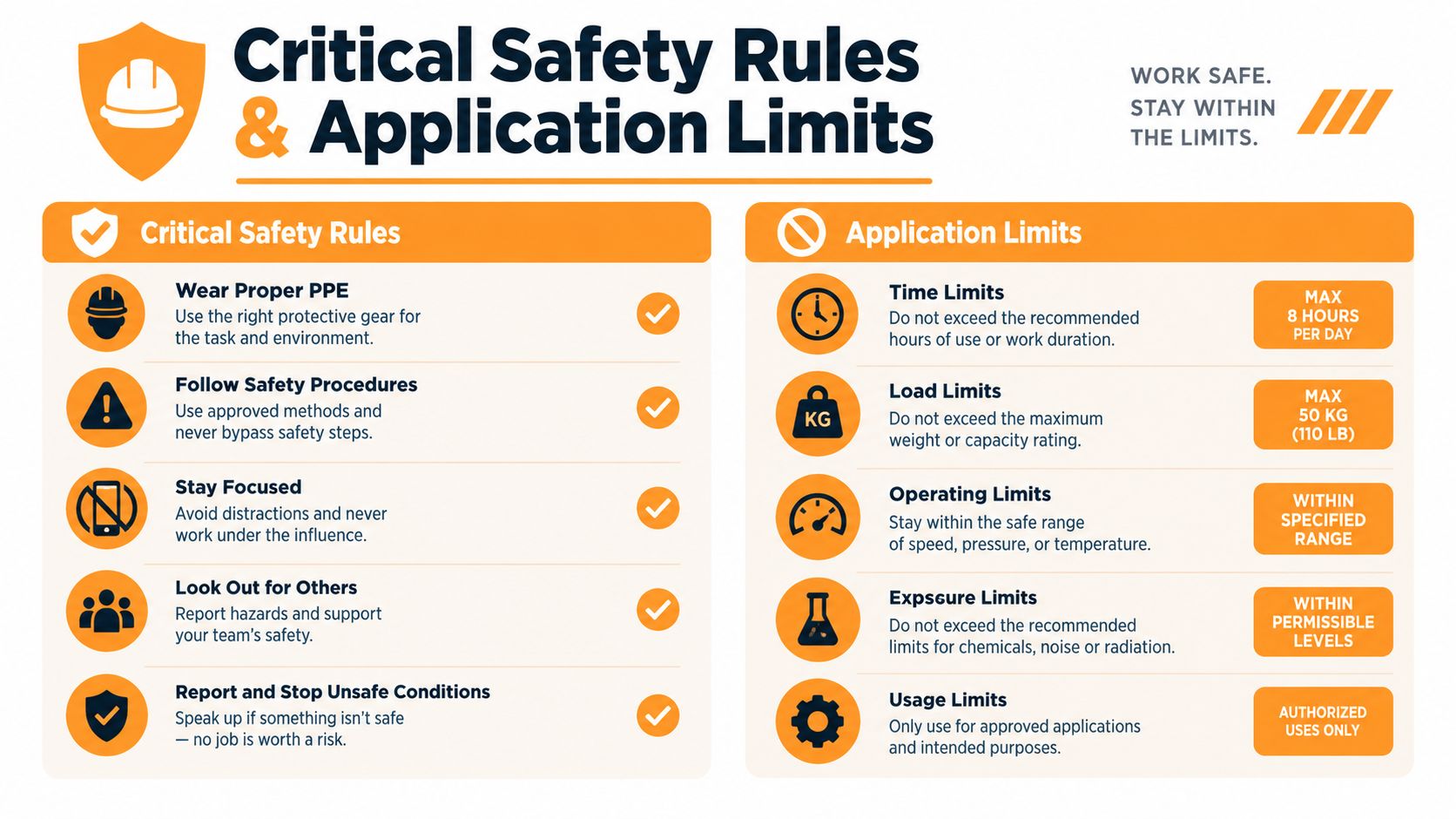
A neck ice pack helps most when you use it briefly and stop before the skin gets overloaded. More time does not mean more relief. After a short exposure, the benefit levels off, while the risk of cold injury keeps rising.
Time limits keep therapy safe
For neck pain, short cold sessions are the safer pattern. Mayo Clinic advises using a cloth barrier and keeping each session to about 10 to 20 minutes during the first 24 to 48 hours, then switching to heat once swelling has settled (Mayo Clinic neck pain treatment guidance). That fits how cold therapy works, it can calm irritation, but it is not meant to freeze tissue for long stretches.
The practical rule is simple. Use cold in short rounds early on, then move away from it when the acute swelling phase has passed. If a pack stays on far longer than that, the skin is doing extra work just to stay safe.
Where the neck is especially vulnerable
The neck is not one even surface. The front of the neck needs extra caution, because cold placed there can be harsh and risky. Guidance for neck pain advises against direct ice on the front of the neck, and also against use on numb skin or in people with poor circulation, Raynaud's, peripheral vascular disease, diabetes, or cold allergy (neck pain self-help guidance).
Never use cold on skin that is numb or poorly perfused. If the tissue cannot report what it feels, you lose the warning system that helps prevent injury.
Never place a cold pack on the front of the neck and assume the anatomy will protect you. The front of the neck needs more caution, not less.
For broader cold-pack use, this ice bag for injuries guide gives helpful context, but the neck still deserves stricter attention because of its anatomy.
A simple stop list
Stop the session right away if you notice:
- Burning or stinging: That is a warning sign, not something to push through.
- Skin that turns white, gray, or waxy: Cold is going too far.
- Numbness that keeps deepening: The area is losing safe feedback.
- Blistering or blotchy discoloration: End the session and let the skin recover.
A safe neck ice pack session should feel cold, then soothing, then finished. It should never feel like a test of endurance.
Comparing Fill Materials and Daily Maintenance
The material inside a cold pack changes how it behaves in everyday use. Some fills stay flexible longer, some get very firm in the freezer, and some are easier to use for both cold and heat. For neck use, that difference affects comfort, contact, and how often you'll reach for the product.
Gel packs and natural fills behave differently
Gel packs are popular because they're easy to freeze and generally conform well. They can, however, feel very cold and stiff, which makes a cover or barrier important. That stiffness can be a drawback on the neck, where a flat or rigid surface doesn't match the curve very well.
Natural fill materials like flax seed or lava sand are often used in microwavable wraps, and some can be frozen for cold therapy as well. They tend to drape more naturally, which helps with neck contact. The tradeoff is that they're usually chosen first for warmth, not for long cold retention.
The practical question is not which material sounds better. It's which one you'll use safely and comfortably on your neck without constant adjustment.
Care habits that extend use
Reusable covers should be cleaned regularly according to the product's instructions, especially if the pack sits directly against skin or fabric. If a cover starts absorbing odor, looking worn, or losing its fit, hygiene and comfort both decline. Store the pack in a clean place in the freezer so it doesn't pick up smells or get damaged by poor storage.
A product's end of life is usually obvious before it fully fails. The fill can become lumpy, the seams can weaken, or the cover can stop protecting the skin evenly. Once that happens, the pack becomes less reliable and less comfortable for repeated use.
Choosing for real life
For neck pain, consistency matters more than novelty. A product that's easy to store, easy to clean, and easy to place on the neck is more likely to become part of your routine. That's why many people end up preferring a reusable pack with a shaped cover or strap over a simple frozen bag.
If you're comparing options, think about these three things:
- Flexibility when cold: Does it still bend around the neck?
- Ease of cleaning: Can you keep it fresh without a hassle?
- Fit during use: Does it stay in place without constant hands-on support?
The best material is the one that supports steady, safe use instead of turning every session into a setup project.
Building a Sustainable Pain Management Routine
A neck ice pack works best as one part of a sensible recovery routine, not the whole plan. The right routine starts with figuring out whether the pain feels acute or stiff, then choosing cold or heat accordingly, then using the pack safely and for the right amount of time. After that, the next step is usually gentle movement, not more icing.
A quick mental checklist
When neck pain hits, run through this sequence:
- Check the symptom pattern. Is it sharp and fresh, or stiff and chronic?
- Choose the matching therapy. Cold for acute irritation, heat for stiffness.
- Protect the skin. Use a cloth barrier and avoid direct contact.
- Watch the clock. Keep cold sessions short and stop when the skin says stop.
- Move gently afterward. A little motion often helps more than repeating the same modality.
That rhythm keeps you from treating every neck problem as if it were the same problem. It also helps you avoid the common trap of assuming the coldest option is the strongest option.
Why this matters for daily life
Posture-related neck pain and screen-time stiffness often need a different response from a fresh strain. If you reach for ice every time out of habit, you can miss the fact that the neck may be asking for relaxation, not numbing. The more clearly you match the tool to the symptom, the less frustrated you'll feel.
For readers trying to put all of this into a wider recovery plan, back and neck pain relief guidance can be a helpful complement to the safety rules here. The best results usually come from combining symptom-aware self-care with realistic expectations about what a cold pack can and can't do.
Bottom line: Use cold early, use it briefly, keep it off the front of the neck, and switch strategies when the pain pattern changes.
If you want a reusable cold or hot therapy tool that fits neck use more naturally, explore the options at SunnyBay. Their heat and cold products are built for everyday use, and a well-matched pack can make safe home care much easier when neck pain shows up again.


