


How do heating pads work: Quick Guide to Pain Relief
-
Ever wonder what’s actually happening on a biological level when you press a warm heating pad against an aching muscle? It’s not just a comforting sensation; there’s some real science at play. The warmth from the pad kicks off a process called thermotherapy, which is just a straightforward way of saying "heat treatment." This simple act is one of the most effective, drug-free ways to convince your body to relax and heal.
This applied heat cues the blood vessels in that specific area to dilate, or widen. Think of it like a traffic-clogged, two-lane road suddenly expanding into a six-lane superhighway. This process, known as vasodilation, allows more blood to flow freely to the site of your pain.

Unlocking Muscle Relaxation And Healing
So, what does all this extra blood flow actually do for you? Two really important things. This is where the magic of heat therapy truly shines, offering tangible benefits you can feel almost immediately.
First, it delivers a fresh supply of oxygen and nutrients right where you need it most. This helps tight, overworked muscles finally relax their grip, easing the tension that leads to stiffness and discomfort. For example, if you've ever had a stiff neck after a long day hunched over a computer, a heating pad can feel like a miracle. The gentle warmth encourages those strained muscles to let go, restoring flexibility and bringing a profound sense of comfort.
Second, that increased circulation helps flush out metabolic waste and other byproducts that can build up in tissues and signal pain to your brain. It’s like a natural cleansing process that helps speed up recovery and reduce soreness. Getting a handle on the basics of heat therapy is the first step toward using this simple tool for some pretty profound relief.
The Power Of Therapeutic Heat
A good heating pad isn’t just about getting hot; it's about delivering warmth at the right temperature. The sweet spot for therapeutic heat is typically between 104°F and 113°F (40°C to 45°C).
Within this range, the heat is warm enough to penetrate deep into muscle tissue and get to work. In fact, studies have shown it can boost circulation by up to 300% in the targeted area. For anyone struggling with chronic issues like arthritis or painful back spasms, this boost in blood flow can be a game-changer, offering significant, drug-free comfort and improved mobility.
To get even more out of it, try pairing heat therapy with massage therapy. The warmth makes muscle tissue more pliable and receptive, which can seriously amplify the healing effects and make every minute of massage more beneficial.
Let's break down exactly how this all translates into feeling better.
How Heat Therapy Provides Relief
This table gives you a quick summary of the key mechanisms of heat therapy and their direct benefits for your comfort and pain relief.
| Mechanism | What It Does for Your Body | How You Feel the Benefit |
|---|---|---|
| Vasodilation | Widens blood vessels in the treated area. | A gentle, soothing warmth spreads through the muscle. |
| Increased Circulation | Rushes oxygen-rich blood to tissues. | Stiffness begins to melt away, and tension eases. |
| Metabolic Waste Removal | Flushes out pain-causing substances. | A reduction in deep, throbbing aches and soreness. |
| Nerve Receptor Stimulation | "Distracts" pain signals sent to the brain. | The perception of pain lessens, providing immediate relief. |
Ultimately, heat therapy is one of the pillars of effective self-care because it works with your body, not against it. By embracing heat, you are choosing a therapy that enhances your body's natural ability to heal itself.
Heat therapy is a cornerstone of effective wellness because it supports the body's own healing mechanisms. By simply improving blood flow, it provides a cascade of benefits that reduce pain, increase flexibility, and promote relaxation without medication.
Choosing the Right Type of Heating Pad
Knowing how heating pads generate warmth is one thing, but picking the right one for your specific aches and pains? That’s where you’ll find real relief. It’s important to remember that not all heating pads are created equal. They generally fall into three main camps, and the best choice really boils down to your lifestyle, your pain, and what you find most comforting.
The big three are electric, microwavable, and chemical pads. An electric pad is like a mini electric blanket, using internal coils to produce a steady, dry heat. A microwavable pad, like our SunnyBay packs, is filled with natural grains that soak up microwave energy and release it as a deep, moist warmth. Then you have the single-use chemical patches, which kick off a heat-producing reaction as soon as you expose them to air.
When you're dealing with muscle pain, the path to relief is often straightforward. A heating pad is a simple, effective first step.
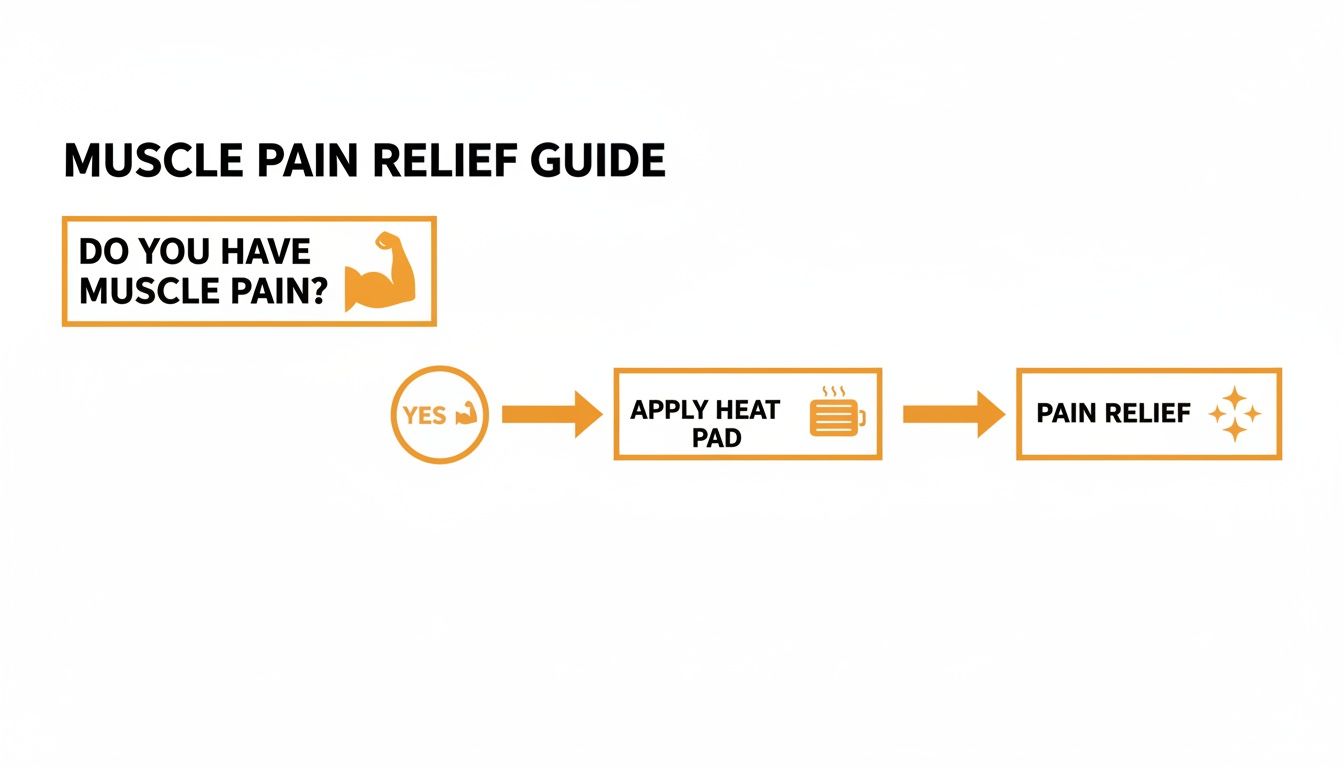
This simple chart really drives home how foundational heat therapy is for managing common muscle soreness.
Electric Heating Pads
Think of electric pads as your go-to for stationary comfort. Since they plug into the wall, they offer hours of consistent, adjustable warmth. They’re perfect for settling onto the couch with a sore back or even keeping your feet toasty at your desk.
The downside, of course, is the cord. You're tethered to an outlet, which means they aren't exactly practical if you need to move around or want relief on the go.
Microwavable Heating Pads
For anyone needing powerful, portable relief, microwavable heating pads are a game-changer. These are typically filled with natural materials like flax seeds or rice, which deliver a deeply penetrating moist heat after a quick spin in the microwave. Many people, myself included, find this type of heat feels like it gets deeper into the muscle tissue.
Because they’re completely cord-free, they fit right into an active lifestyle. You can drape a SunnyBay neck wrap over your shoulders at the office, press a pack against your lower back after a workout, or toss one in your bag for travel. Their sheer convenience is a huge part of their appeal.
You can see a real shift in how people approach pain management. While electric pads still hold a 45% market share, microwavable options are catching up fast, with a projected 7.63% CAGR. This jump really speaks to their popularity among people looking for relief that fits their busy lives.
This trend points to a bigger movement toward user-friendly, non-medicinal self-care. While this guide is all about pads, it's worth noting that if you're looking for all-night warmth, you might also be interested in considering heated mattress toppers as another great way to apply therapeutic heat.
Chemical Heat Patches
Chemical patches are the definition of "grab-and-go." These are thin, adhesive patches that you activate just by opening the package. They stick right to your skin or clothing and provide several hours of low-level warmth to a very specific spot. They’re discreet enough to wear under a shirt at work, no problem.
The main trade-off is that they’re disposable. This makes them less cost-effective and not as eco-friendly for chronic issues. The heat is also much milder, so they’re better for nagging aches than for tackling intense, deep-seated pain.
Comparing Electric vs Microwavable vs Chemical Pads
To make the choice even clearer, let's break down the key differences. This side-by-side comparison should help you pinpoint which type of heating pad is the best match for your daily routine and relief needs.
| Feature | Electric Heating Pad | Microwavable Heating Pad | Chemical Heat Patch |
|---|---|---|---|
| Heat Type | Dry, consistent heat | Moist, deep-penetrating heat | Low-level, dry heat |
| Portability | Limited by cord length | Excellent; completely portable | Excellent; small and adhesive |
| Heat Duration | Continuous as long as plugged in | 15-30 minutes per heating | Several hours (e.g., 8 hours), but single-use |
| Heat Control | Multiple temperature settings | Control by adjusting microwave time | No control; one set temperature |
| Best For | Stationary use, long-lasting relief at home | Quick relief anywhere, deep muscle pain, cramps | Discreet, on-the-go relief for minor aches |
| Cost | Moderate one-time purchase | Low to moderate one-time purchase | Low per patch, but adds up with regular use |
| Environmental | Reusable, but consumes electricity | Reusable and energy-efficient | Disposable, creates waste |
Each type has its place. An electric pad is great for a cozy night in, a chemical patch is perfect for a long flight, and a microwavable pack offers the best of both worlds—powerful, portable relief you can use again and again.
How Microwavable Heating Pads Work
Ever wondered what makes a microwavable heating pad so effective? No cords, no chemicals—just simple, natural science. The secret lies in using natural, heat-retaining fillers like flax seeds, whole wheat, or rice.
When you pop the pad in the microwave, the energy from the microwaves hones in on the tiny water molecules trapped inside these fillers. This process heats them up incredibly quickly. That stored energy is then released as a slow, steady, and deeply penetrating moist heat. It’s a completely different sensation from the dry heat you get from an electric pad, and it’s a difference you can really feel. Many people find it far more soothing and effective for easing aches and pains.

Why The Filler Material Matters
The choice of what goes inside a heating pad is everything. It’s the engine driving the whole experience, and different fillers deliver very different results in heat retention and overall comfort.
Flax seeds, for example, are a top-tier choice for a few key reasons. Thanks to their small size and high oil content, they can hold onto heat much longer than bigger grains like corn or rice. Just as important, they mold perfectly to the shape of your body. When you drape a flax-filled wrap over your shoulder, it doesn’t just sit on top; it sinks in and conforms to every curve, delivering warmth precisely where it's needed most.
Microwavable heating pads work through both convection and conduction, distributing heat evenly from fillers that absorb microwave energy. They hold a therapeutic temperature of 140-160°F, and studies show that 80% of users report feeling relief in as little as 10 minutes.
This powerful combination of efficient heat and flexible comfort is what makes well-designed microwavable hot packs such a go-to for natural pain management.
The Role Of The Outer Fabric
The materials don't stop at the filling, though. The outer fabric is the crucial bridge between the hot filler and your skin, playing a huge part in both safety and comfort. A well-designed pad will use a clever combination of fabrics to get the job done right.
- Soft Fleece: One side is often made of a gentle fleece. This fabric is a fantastic insulator, helping the pad stay warmer for longer while feeling incredibly soft against your skin.
- Breathable Cotton: The other side is usually made of 100% cotton. This allows for better airflow, regulating the temperature and preventing the surface from getting too intense or causing you to sweat.
This dual-fabric design gives you options. You can start with the cotton side for a more direct blast of heat, then flip it over to the fleece side for a gentler, more sustained warmth. It's this thoughtful design—from the inside out—that makes microwavable heating pads such a reliable and comforting way to manage pain without reaching for a pill bottle.
The Real-World Benefits of Heat and Massage Therapy
Knowing the science behind a heating pad is interesting, but feeling its benefits is what really counts. Heat therapy is a powerful, drug-free way to manage pain and discomfort, offering tangible relief for a whole host of common problems.
Picture yourself draping a warm, comforting wrap over your shoulders after a long day hunched over a computer. Within minutes, you can feel those tightly wound muscles start to unclench, melting away the stress that causes so much stiffness and pain. That's not just in your head; it's your body’s natural response to targeted warmth.
Soothing Everyday Aches and Chronic Pain
The uses for heat therapy are incredibly broad, which is why it’s become a go-to solution for both sudden injuries and nagging, long-term pain. Here are just a few examples of how it can help you feel better in your daily life:
- Chronic Back Pain: A heating pad placed on the lower back can soothe persistent aches by increasing circulation and relaxing muscles that are caught in a painful spasm.
- Menstrual Cramps: Applying warmth to the abdomen helps relax the uterine muscles, which can seriously dial down the intensity of cramps.
- Arthritis Stiffness: For many of the 54 million U.S. adults living with arthritis, a gentle heating pad can ease joint stiffness and make mornings far more manageable.
- Post-Workout Soreness: Heat is great for warming up tight muscles before exercise to improve flexibility. Afterward, it helps take the edge off delayed onset muscle soreness.
This growing reliance on non-invasive therapy is a big reason the global heating pad market is expected to hit USD 90.79 billion by 2034. People are actively seeking out these benefits, making heat therapy a cornerstone of modern wellness.

Amplifying Relief With Massage Therapy
To take things to the next level, try combining heat with massage. The warmth makes your muscle tissue more pliable and receptive, creating a powerful synergy that boosts the healing process.
Think of your muscles like a stiff piece of clay. Trying to work with it when it's cold is tough and you won't get very far. But once you warm it up, it becomes soft and easy to shape. It's the same with your body. For instance, if you have a stubborn knot in your shoulder, applying heat for 15 minutes before using a massage ball will allow you to work deeper and more effectively, releasing the tension with much less resistance. This combination is a powerful argument for integrating both therapies into your routine.
By preparing the muscles with heat, you not only make the massage feel better, but you also amplify its therapeutic effects, leading to faster recovery and more profound relaxation.
This one-two punch is a cornerstone of any good wellness routine. Heat therapy isn't just about direct pain relief; it's often used as part of a bigger plan. It complements other effective strategies to reduce muscle soreness and makes every other recovery effort that much more impactful.
Getting the Most Out of Your Heating Pad—Safely and Effectively
Knowing how a heating pad works is one thing, but knowing how to use it correctly is what truly unlocks its therapeutic power. When you get the application right, you get maximum relief without any of the risks, turning this simple device into a powerful part of your wellness routine.
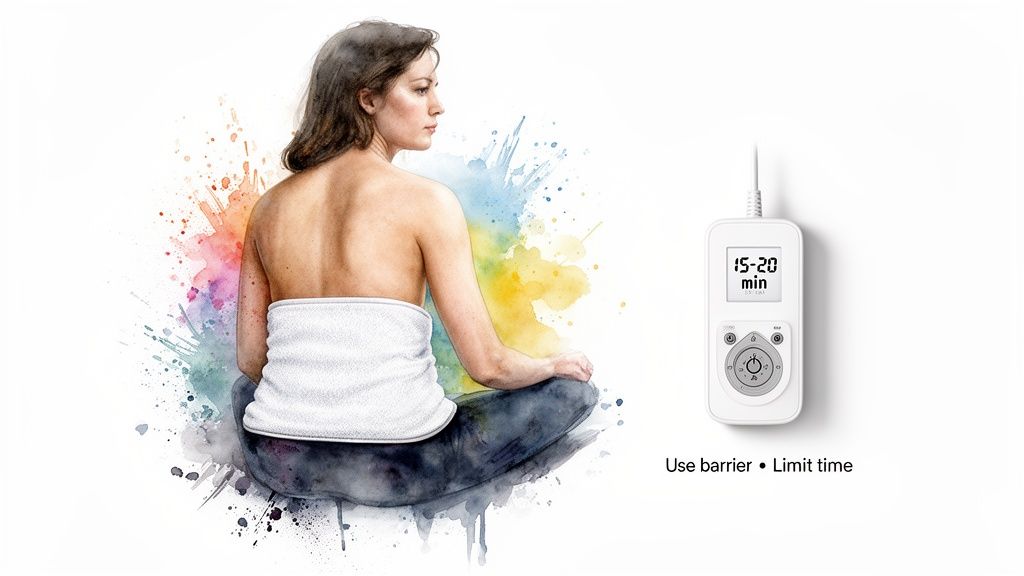
The single biggest rule? Keep your sessions short and sweet. The sweet spot for most heat therapy applications is just 15 to 20 minutes. That’s all it takes for your muscles to reap the full rewards of increased blood flow. Any longer, and you risk overwhelming your skin's heat receptors, which can lead to irritation or even burns.
Core Safety Guidelines to Live By
Think of these as your non-negotiables for every single time you use a heating pad. Sticking to them will help you manage your pain at home with confidence and peace of mind.
- Create a Barrier: Never place a heating pad directly on your skin. Always use a protective layer, like a thin towel or the pad’s washable cover, in between. This simple step is your best defense against burns and ensures a gentle, even warmth.
- Stay Awake: The soothing heat can make it incredibly tempting to doze off, but you should never fall asleep with a heating pad running. It's one of the most common ways accidental skin damage happens.
- Do a Skin Check: After you’re done, take a quick look at the area. Check for any lasting redness or blistering to make sure your skin is handling the heat well and adjust your routine if you notice anything off.
The trend toward at-home care makes safe self-therapy more important than ever. This is why brands like SunnyBay, trusted in clinics for over 20 years, prioritize breathable fabrics and clear instructions. It's all designed to prevent hotspots and ensure you get safe, effective heat right where you need it.
When to Steer Clear of Heat Therapy
As wonderful as heat therapy is, it’s not the right tool for every job. Knowing when not to use it is just as crucial as knowing how.
It's essential to understand that heat can sometimes make certain conditions worse. Applying heat to a fresh injury, for instance, can increase inflammation and delay the healing process.
Always check with a doctor before using a heating pad if you have any of the following:
- A fresh injury with swelling: For the first 48 hours after a sprain or strain, ice is your best friend. Heat will only make the swelling worse.
- Open wounds or broken skin: Heat can introduce bacteria and increase the risk of infection in these vulnerable areas.
- Conditions that cause numbness: If you have nerve damage from diabetes or another condition that reduces sensation, you might not be able to feel if the pad gets dangerously hot.
By following these simple guidelines, you can ensure you get all the benefits of heat therapy with none of the downsides. For an even deeper dive, check out our dedicated article on critical heating pad safety tips.
Common Questions We Hear About Heating Pads
Even after getting the hang of how heating pads work, a few questions always seem to pop up. Let's walk through some of the most common ones I hear, so you can feel completely confident in your approach to pain relief.
Sometimes, just getting clear, straightforward answers is all you need to make the best decisions for your own wellness routine.
Is Moist Heat Really Better Than Dry Heat?
In most cases, yes, moist heat definitely has the edge. While the dry heat from an electric pad feels nice, it mostly just warms up the surface of your skin. A good microwavable pad, on the other hand, produces moist heat that penetrates much deeper into your muscle tissue.
That deeper reach is what really gets the blood flowing, which means more effective relief from that nagging soreness, stiffness, and those deep, persistent aches. As a bonus, it also helps hydrate your skin instead of drying it out, which makes the whole experience feel that much better.
When Should I Use Heat Versus Ice for an Injury?
Ah, the classic question! The answer is actually pretty simple. I always tell people to remember this one little rule: ice for new injuries, and heat for old aches.
If you’ve just sustained an injury that’s swelling up—like a sprained ankle within the first 48 hours—cold therapy is what you want. Ice constricts the blood vessels, which is exactly what you need to reduce that initial inflammation and help numb the sharp pain.
Heat therapy is your go-to for chronic conditions, muscle soreness, and stiffness where swelling isn't a problem. Just be careful not to apply heat too soon to a fresh injury, as it can actually make the swelling worse and slow things down.
"Ice constricts, or narrows, blood vessels. Constricting blood vessels inhibits the body from allowing inflammation in the iced area. Heat dilates, or widens blood vessels, allowing more inflammation to flow to an injured or painful area."
Understanding this simple difference is the key to using both treatments correctly.
How Long Does a Microwavable Pad Stay Hot?
A well-made microwavable pad, especially one filled with something like flax seeds that's great at holding warmth, is designed to maintain a therapeutic temperature for about 20-30 minutes.
That timeframe isn't random; it lines up perfectly with the medically recommended length for a heat therapy session. This gives your body the ideal window to get all the benefits of the heat without risking any skin irritation from leaving it on too long. After it cools, you can just pop it back in the microwave for your next round of relief.
Are Scented Heating Pads a Good Idea?
They can be fantastic, as long as the scents come from natural ingredients. Combining gentle heat with aromatherapy is an incredible way to melt away stress.
Think about it: a pad filled with real lavender buds can release a calming aroma that soothes your mind while the heat works its magic on your muscles. It really transforms a simple pain relief session into something that feels more like a mini spa treatment.
Of course, if you have sensitive skin, allergies, or just don't like certain smells, it's always best to stick with an unscented option to be safe.
Ready to feel the difference that deep, moist heat can make? The expertly designed microwavable heating pads from SunnyBay offer portable, powerful, and natural relief for your neck, back, and shoulders. Experience clinic-trusted quality at home and get back to doing what you love. Explore the full collection and find your perfect match today.


