


Heating Pads Non Electric: Your Ultimate Guide to Natural Relief
-
Imagine finding a way to soothe those deep muscle aches without being chained to a wall outlet. That's the simple, brilliant promise of heating pads non electric. They offer a safe, portable, and completely drug-free way to manage pain and discomfort on your own terms.
These handy tools provide on-demand relief you can use pretty much anywhere—at your desk, on the couch, or even when you're traveling.
Freedom From Cords: Your Path to Soothing Heat Therapy
Let's face it, pain doesn't care if you're near a power outlet. Whether you're dealing with a stiff neck after a long day at the computer, a nagging lower back ache, or those all-too-familiar monthly cramps, getting relief right away is what matters most. Non-electric heating pads are a game-changer, offering a liberating alternative to old-school corded models. You get therapeutic warmth whenever and wherever you need it.

Think of heat therapy as a powerful form of self-care, much like a targeted massage. Applying warmth to a sore spot boosts blood flow to that area, which is fantastic for relaxing tight muscles and helping damaged tissue repair itself. This process, called vasodilation, rushes more oxygen and nutrients to your muscles while helping to flush out the metabolic waste that can cause pain. It’s a simple concept with powerful results, all without reaching for a pill bottle.
Embracing Natural and Safe Relief
If you're looking for more natural wellness solutions, these pads are a perfect fit. They often play a supportive role in a wider care plan. For example, understanding the difference between home health vs home care is important, and non-electric heating pads are a great example of the kind of non-medical comfort provided in home care settings. Their safety is a huge plus, too, since you don't have to worry about faulty electrical cords or potential malfunctions.
By removing the cord, you remove the limitations. A non-electric heating pad allows you to integrate soothing heat therapy seamlessly into your daily life, from the office chair to the car seat.
This guide is here to walk you through how this simple, cord-free solution can completely change how you manage pain. For a head-to-head comparison, our guide on electric vs. microwavable heat pads is a great resource. We'll get into the different types, what they're good for, and how to pick the perfect one, so you can find real, lasting comfort no matter where you are.
Exploring the Different Types of Non-Electric Heating Pads
When you're looking for heat therapy without the cord, it's easy to feel a bit lost in all the options. But not all cordless heating pads are the same, and knowing the difference is the key to finding the right kind of relief for your specific aches and pains. Your main choices really boil down to three categories: microwavable packs, single-use chemical patches, and reusable gel packs.
Think of them as different tools in your wellness toolkit. Each one has a unique way of delivering heat, and each is designed for a specific job.
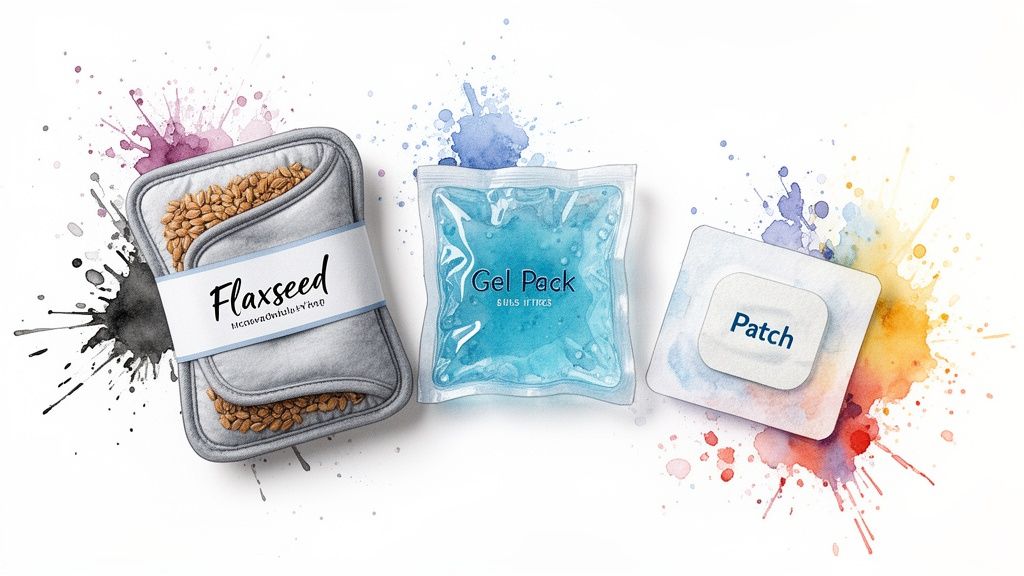
Microwavable Heating Pads: Natural Fillers
For that deep, penetrating warmth that really gets into your muscles, microwavable heating pads are the undisputed champions. These are typically filled with natural materials like flaxseed, whole wheat, or even lava sand, which act like tiny, heat-retaining batteries. A quick trip to the microwave is all it takes for them to absorb energy, which they then slowly release as moist heat.
This isn't just any heat. It’s the kind physical therapists often recommend because it goes deeper into the tissue than the dry heat from other sources, leading to a much more therapeutic experience. Plus, the gentle weight of the filler provides a comforting pressure—it’s like a warm hug for your sore spots.
It’s no surprise their popularity is booming. The microwave heating pad market is already valued at USD 312.47 million and is expected to climb to USD 562.84 million by 2032. This isn’t just a trend; it shows a real shift toward travel-friendly, clinic-trusted solutions for effective, cord-free relief. If you're curious about the numbers, you can read the full research about the microwave heating pad market.
Single-Use Chemical Patches
Need relief on the move? Single-use chemical patches are the go-to for convenience. These are thin, adhesive pads that you stick right onto your skin or clothing. Once you open the package and expose them to air, a chemical reaction kicks off, producing a steady, low-level heat that can last for hours. They’re perfect for wearing discreetly under your clothes at the office or during a long flight.
Think of chemical patches as a quick fix for immediate, portable warmth. While they are incredibly convenient, they lack the reusability and deep, moist heat of their microwavable counterparts.
The biggest downside? They're disposable. This makes them less eco-friendly and not very cost-effective if you're dealing with chronic pain. The dry, surface-level heat they provide is good in a pinch, but it might not be enough to tackle deep muscle soreness the way a microwavable pack can.
Reusable Gel Packs
Reusable gel packs are the versatile players in the game. Keep one in the freezer, and you’ve got an excellent cold pack ready to reduce swelling from sprains, bruises, and other acute injuries. Pop it in some hot water or the microwave, and it becomes a source of soothing heat.
However, their heat can be a bit inconsistent and tends to fade faster than the warmth from a quality flaxseed-filled pad. While they're a fantastic multi-purpose tool for any first-aid kit, people seeking sustained, deep heat for chronic conditions will likely find that microwavable pads with natural fillers are the superior choice for true muscle relaxation and pain relief.
The Science Behind How Heat Therapy Calms Pain
Have you ever wondered why a warm compress feels so incredibly soothing on a sore muscle? It's not just a cozy feeling—there's real science at work, a powerful biological response that your body is hard-wired for. When you're in pain, your nerves are firing off signals to your brain. Applying warmth can actually step in and interrupt that conversation.
Think of heat therapy as a clever distraction for your nervous system. When you place a heating pads non electric on an aching spot, it wakes up the heat receptors in your skin. These receptors send their own signals to the brain, which effectively dials down the volume on the pain signals coming from the deeper muscle or joint.
But it’s more than just a distraction. The warmth also kicks off a critical physiological process known as vasodilation—a fancy term for the widening of your blood vessels.
Boosting Blood Flow for Natural Healing
When your blood vessels expand, blood flow to that specific area gets a major boost. This rush of fresh, oxygen-rich blood acts like an emergency response team for your sore muscles. It brings in the nutrients needed to repair damaged tissues and, just as importantly, carries away the waste products that cause pain, like lactic acid.
This improved circulation accomplishes two key things:
- Accelerates Healing: It provides the building blocks for tissue repair, helping you bounce back faster from strains or injuries.
- Reduces Stiffness: The warmth encourages your muscle fibers to relax, easing the tightness and tension that make you feel stiff and uncomfortable.
The real magic of heat therapy is how it partners with your body's own healing systems. By simply improving blood flow, it helps quiet pain from the inside out, often without needing to reach for medication.
Real-World Examples of Relief
This entire scientific process translates into very real relief for everyday problems. When menstrual cramps cause uterine muscles to contract and ache, heat helps those muscles relax. If you wake up with a stiff neck from sleeping wrong, the increased blood flow can loosen up those tight muscles and restore your range of motion.
A sore lower back after a long day of yard work? It benefits immensely from the muscle-relaxing power of a good heating pad. If you want to get into the nitty-gritty, you can learn more about how heat pads work to deliver these benefits.
In every case, the simple principles of vasodilation and pain signal interruption are at play. It's this straightforward science that makes heating pads non electric such a trusted and effective tool for managing all sorts of common aches and pains.
Targeted Relief for Your Most Common Aches and Pains
Non-electric heating pads are fantastic all-rounders, but where they really shine is in their ability to deliver heat right where you need it most. When you match the right pad to the right ache, you can turn nagging discomfort into soothing relief. Let's look at how these simple, cord-free warmers can tackle some of the most common pains we all deal with.
Think about the end of a long day hunched over a desk. That tension in your neck and shoulders can feel like a heavy, tight knot that just won't let go. This is the perfect job for a contoured neck and shoulder wrap. Draping a warm, weighted pad over that area helps those overworked trapezius muscles finally relax, literally melting away the stress of the day.
Soothing Persistent Lower Back Pain
A nagging lower back can quickly put a stop to the activities you enjoy. Whether it's the aftermath of a tough workout, the result of sitting for too long, or just chronic stiffness, heat therapy has long been a go-to solution. A large lumbar pad that’s designed to cover the entire lower back is ideal here, delivering broad, consistent warmth that seeps deep into the muscles.
This warmth gets the blood flowing, which helps carry away pain-causing irritants and encourages tight, spasming muscles to release their grip. For many people, easing lower back pain after exercise is a top priority, and combining gentle stretches with targeted heat can be a game-changer. For more tips, check out our guide on using a heating pad for back pain relief.
Easing Menstrual Cramps and Arthritis Stiffness
Menstrual cramps happen when uterine muscles contract, and applying warmth is a wonderfully effective way to help those muscles relax and dial down the pain. In much the same way, anyone dealing with arthritis can find relief from a non-electric heating pad, which helps ease the familiar stiffness and soreness in joints like the knees, hands, or elbows.
The gentle, moist heat from a pad filled with flaxseed or lava sand is especially good for arthritic joints. It boosts blood flow right to the area, which can improve flexibility and take the edge off that dull, persistent ache.
It's no surprise these drug-free solutions are becoming more popular, especially with chronic pain on the rise. The global heating pad market has ballooned to USD 52.44 billion, and North America alone makes up 40% of that demand. For the 1.5 billion people worldwide managing arthritis or back pain, non-electric microwavable pads offer simple, effective comfort. That's why clinic-grade packs designed to provide 20-30 minutes of therapy are such a trusted choice.
Here you can see a variety of specially designed pads for neck and shoulder pain. Notice how the different shapes are contoured to sit perfectly on the neck and shoulders. This ensures the heat is delivered exactly where it’s needed most, and that tailored design makes all the difference in getting real, targeted relief.
How to Choose the Right Non-Electric Heating Pad
Ready to find your perfect match for soothing aches and pains? Choosing the right non-electric heating pad is more than just grabbing one off the shelf. It’s about understanding what your body needs and matching the pad’s features—like its fabric, filler, and shape—to get the most effective relief possible.
And it seems more people than ever are catching on. The global market for heating pads recently hit USD 54.32 billion and is expected to climb to a whopping USD 90.79 billion by 2034. A big part of that growth comes from people wanting simple, effective wellness tools at home, with microwavable wraps becoming a go-to for targeted, cord-free therapy. You can dig into the heating pad market trends on Zion Market Research.
To get started, this simple guide can help you figure out what kind of pad works best for what hurts.
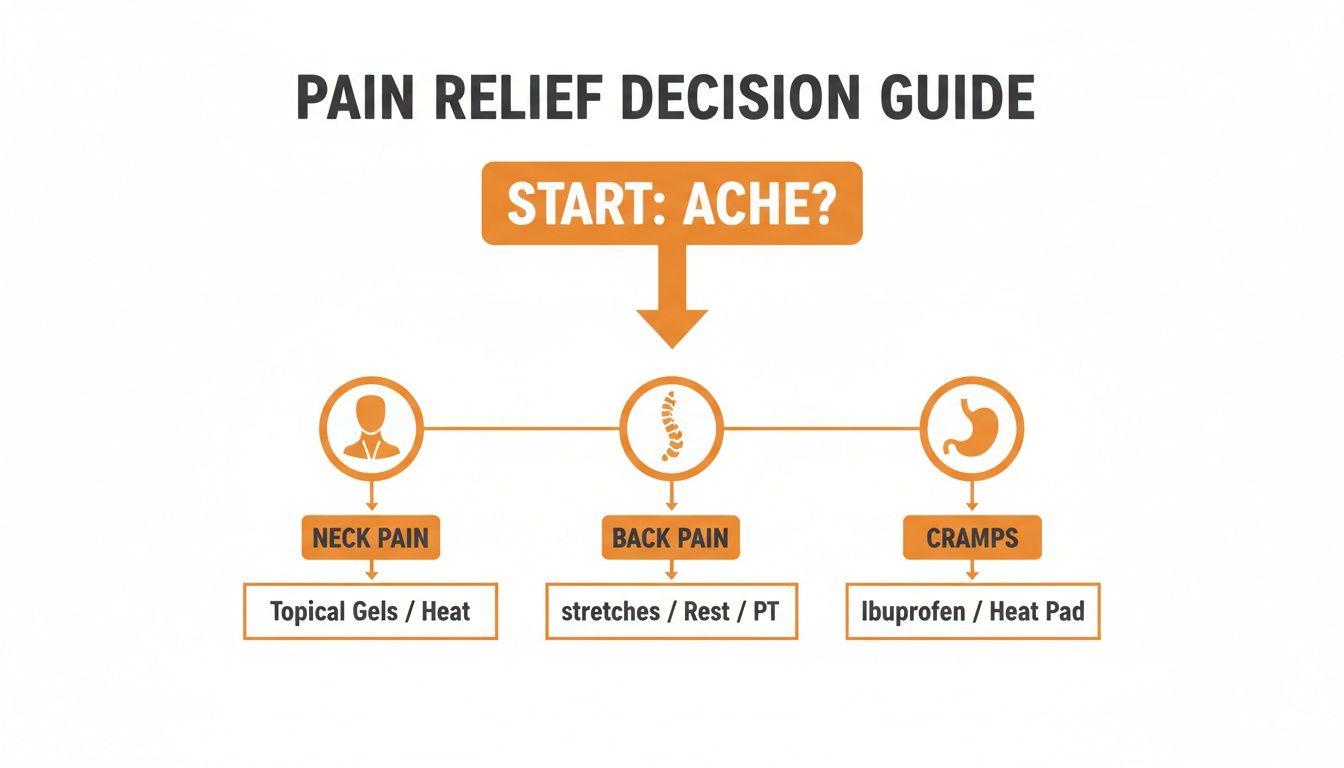
As you can see, different shapes and designs are built with specific body parts in mind, ensuring the heat gets right where you need it, whether that’s your neck, shoulders, or lower back.
Consider the Cover Fabric
The material that rests against your skin is a big deal. It affects everything from how comfortable the pad feels to how well the heat gets through to your muscles.
- Soft Fleece: This is your go-to for pure coziness. The plush texture feels incredibly gentle against the skin and does a fantastic job of holding onto warmth, making it perfect for when you just want to curl up on the couch.
- Smooth Cotton: A great pick, especially if you have sensitive skin. Cotton is naturally breathable and allows for a more direct transfer of heat. Plus, many cotton covers are removable, so you can toss them in the wash.
Pick the Perfect Filler Material
Think of the filler as the engine of your heating pad. It’s what generates and holds the heat, and each type offers a completely different therapeutic feel.
The filler isn't just stuffing; it’s the core of your heat therapy. Flaxseed offers moist, penetrating heat that feels like it’s reaching deep into the muscle, while lava sand provides a longer-lasting, gentle warmth.
Ask yourself what your body is craving. Do you need an intense, moist heat to loosen up tight muscles, or a sustained, dry warmth to ease stiff joints?
- Flaxseed: This is a fan favorite because it molds perfectly to your body’s contours. It delivers a deep, moist heat that many physical therapists swear by for sore, overworked muscles.
- Whole Wheat: A classic choice that holds heat really well. It also provides a bit of gentle, weighted pressure that can feel incredibly grounding and comforting.
- Lava Sand: If you need heat that lasts, this is your best bet. It offers a consistent, gentle warmth that’s fantastic for chronic aches, like arthritis pain.
Match the Shape to Your Pain
One of the best things about non-electric heating pads is that they come in all sorts of specialized shapes. Using a pad that’s designed for a specific body part means the heat is concentrated exactly where you need it most.
A long, rectangular pad, for example, is wonderfully versatile for laying across your lower back or abdomen. But for that nagging "text neck," a U-shaped wrap is perfectly contoured to drape over your neck and shoulders, hitting all those tension hotspots at once.
To help you narrow down the options, this table breaks down which features are best suited for different situations.
Matching Your Heating Pad to Your Needs
This table helps you choose the perfect non-electric heating pad based on your specific pain relief requirements and preferences.
| Feature | Best For | Why It Matters | Example Application |
|---|---|---|---|
| Flaxseed Filler | Deep muscle soreness, cramps | Delivers moist heat that penetrates deeply to relax tight muscles. | Post-workout recovery on quads or hamstrings. |
| Lava Sand Filler | Chronic joint pain, arthritis | Provides long-lasting, gentle, and consistent dry heat to soothe stiff joints. | Placing on a knee or elbow to ease morning stiffness. |
| U-Shape | Neck and shoulder tension | Contours perfectly around the neck to target stress points and upper back muscles. | Relaxing after a long day hunched over a computer. |
| Long Rectangle | Lower back pain, abdominal cramps | Offers broad coverage for larger areas, providing consistent warmth. | Lying down with the pad across your lumbar region. |
| Built-in Straps | Active relief, hands-free use | Secures the pad in place so you can move around without it slipping. | Strapping it to your lower back while doing chores. |
| Washable Cover | Frequent use, hygiene | Allows you to easily clean the fabric cover, keeping your pad fresh. | Using the pad after a sweaty gym session. |
Ultimately, the best pad is one you’ll actually use. Matching the features to your lifestyle ensures you get consistent, effective relief whenever you need it.
Hands-Free Convenience with Straps
Finally, think about your daily routine. Will you be using your heating pad while resting, or do you need relief while you’re still on the move?
If you want to soothe a sore back while working at your desk or prepping dinner, a pad with built-in straps is a total game-changer. They keep the pad right where you need it, delivering hands-free therapy without you having to constantly hold or readjust it. It’s an absolute lifesaver for lower back or joint pain, letting you get on with your day while the heat works its magic.
Common Questions About Non-Electric Heating Pads
If you're new to the world of non-electric heating pads, you probably have a few questions. It’s completely normal. From how long they stay warm to whether you can fall asleep with one, getting good answers helps you use them safely and confidently. Let's walk through some of the most common queries.
Our goal here is to clear up any confusion so you can get right to the good part: soothing relief. After all, you're trying to ease muscle pain, not add new worries to your plate.
How Long Do Non-Electric Heating Pads Stay Warm?
This is usually the first thing people want to know, and it really depends on what's inside and how big the pad is. A well-made microwavable pad filled with something that holds heat well—like flaxseed or lava sand—will typically give you a solid 20-30 minutes of therapeutic warmth.
That timeframe isn't random. It’s exactly what most physical therapists recommend for a heat therapy session to be effective without irritating your skin. And unlike a disposable chemical pack that's one-and-done, you can just pop a microwavable pad back in for another round of heat whenever you need it.
Are Microwavable Heating Pads Safe to Use?
Yes, they are very safe, but there's one golden rule: always follow the heating instructions to the letter. Never, ever overheat the pad. Quality pads are made with microwave-safe fabrics and strong stitching designed to handle repeated use safely.
A huge plus is the total absence of electrical risk. With no cords or plugs, you don't have to worry about the pad malfunctioning, forgetting to turn it off, or the fire hazards that can come with electric models.
Think about it this way: someone with a stiff back can use a warm pad for 20 minutes before bed to loosen everything up. As the pad naturally cools down, they can fall asleep without any danger of burns or electrical issues—a real risk with corded pads.
Can I Use a Non-Electric Pad for Cold Therapy?
You bet. Many of the best microwavable pads are designed for double duty as cold packs. The same natural fillers like flaxseed or wheat that hold heat so well can also be chilled in the freezer for a few hours to deliver soothing cold therapy. This versatility is a game-changer.
Imagine you twist your ankle on a hike. You can immediately grab your pad from the freezer and use it as a cold compress to bring down that initial swelling. A couple of days later, when you want to encourage blood flow to help it heal, you can switch to using it for heat.
This dual function makes your pad an indispensable part of any home first-aid kit. Just be sure to check the product's instructions to confirm it’s designed for both hot and cold use before you stick it in the freezer.
At SunnyBay, we design clinic-grade, non-electric heating pads to provide safe, effective, and drug-free relief you can trust. Explore our collection of USA-made wraps and find your perfect solution for soothing pain at https://sunny-bay.com.


