


How to prevent period cramps: Practical tips to ease menstrual pain
-
When it comes to period cramps, the best defense is a good offense. Instead of waiting for the pain to hit and then scrambling for relief, a proactive approach can make all the difference. The goal is to get ahead of the problem by reducing your body's production of prostaglandins—the compounds responsible for those painful uterine contractions. By focusing on simple strategies before your period starts, you can shift from just managing pain to actively preventing it.
Why Period Cramps Happen and How You Can Get Ahead of Them
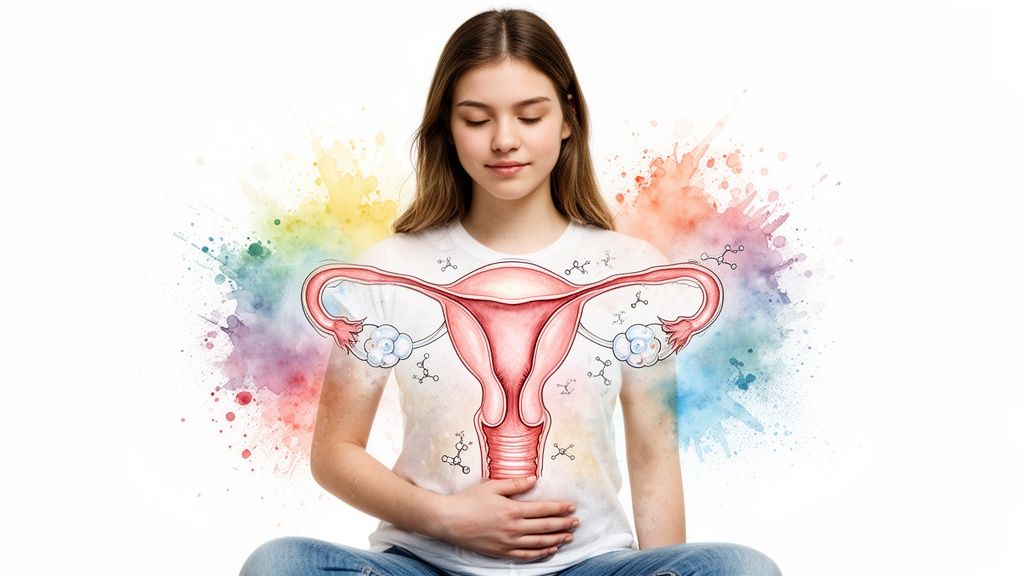
Ever wondered what’s actually happening inside your body when cramps kick in? It's less mysterious than you might think. Medically, we call them dysmenorrhea, but they're caused by hormone-like substances called prostaglandins.
Just before your period, your uterine lining gets ready for a potential pregnancy. If that doesn't happen, your body releases prostaglandins, which tell the uterine muscles to contract and shed the lining. The more prostaglandins, the stronger the contractions, and the more intense the pain. Simple as that.
You Are Not Alone in This
Feeling like you're the only one sidelined by period pain is common, but the truth is, you're in very good company. Research shows that dysmenorrhea affects a massive 59% of women worldwide. Think about that—nearly six out of every ten women of reproductive age are dealing with pain that can throw a wrench in their daily lives. You can find more details on these statistics from the American Academy of Family Physicians.
This shared experience underscores a really important point: while cramps are common, debilitating pain doesn't have to be your normal. Understanding the why is the first step to taking back control.
Primary vs. Secondary Cramps: What You Need to Know
Most of us deal with what's called primary dysmenorrhea. This is the standard cramping that’s a direct result of prostaglandins and isn't tied to another health issue. It usually shows up a day or two before your period and eases up after the first couple of days.
But sometimes, the pain is a signal of an underlying condition like endometriosis, fibroids, or PCOS. This is known as secondary dysmenorrhea. The pain often feels different—it might last longer, be more severe, or even pop up at other times in your cycle. If your cramps are severe or have gotten noticeably worse, it’s a good idea to chat with your doctor.
Key Takeaway: The biggest game-changer is shifting your mindset from reacting to pain to proactively preventing it. Consistent, gentle strategies started before your period can help keep your uterine muscles relaxed and stop intense cramps in their tracks.
Your First Line of Defense: Drug-Free Prevention
The most effective way to prevent period cramps is to take action before they really get going. This is where simple, proven strategies like heat therapy truly shine. Applying steady warmth to your lower abdomen and back increases blood flow to the area, which helps relax the uterine muscles and directly counteracts the effects of prostaglandins.
Instead of waiting for that first familiar twinge, try this: a few days before you expect your period, start using a heating pad for 15-20 minutes each evening. This simple pre-emptive habit can keep the muscles from tensing up in the first place, which can dramatically lessen the severity of cramps once your cycle begins.
To make this even easier, consider a hands-free, wearable heat pack like those from SunnyBay. You can wrap it on and go about your evening routine without being stuck on the couch. It's a gentle yet powerful way to manage your cycle and make your period a much more comfortable experience.
We're going to dive deep into all the ways you can get ahead of period pain. To give you a quick preview, here’s a look at the proactive strategies we'll cover.
Your Proactive Cramp Prevention At a Glance
Use this quick summary to see the key strategies we'll cover for getting ahead of period pain before it even starts.
| Prevention Strategy | When to Start | Why It Works |
|---|---|---|
| Dietary Changes | Throughout the month, especially the week before your period | Anti-inflammatory foods can lower prostaglandin levels naturally. |
| Gentle Exercise | Consistently, with low-impact options during your period | Boosts circulation and releases endorphins, your body's natural painkillers. |
| Heat Therapy | A few days leading up to and during your period | Relaxes uterine muscles and increases blood flow to ease contractions. |
| Key Supplements | Daily, after consulting with a doctor | Magnesium, omega-3s, and B vitamins can help reduce muscle tension and inflammation. |
| Stress Management | Daily, with extra focus pre-period | Cortisol (the stress hormone) can worsen cramps; relaxation techniques help. |
| Quality Sleep | Every night, aiming for 7-9 hours | A well-rested body has a lower inflammatory response and better pain tolerance. |
By incorporating these habits into your routine, you're not just treating symptoms—you're addressing the root causes and setting yourself up for a much easier cycle.
Using Heat Therapy to Get Ahead of Cramps
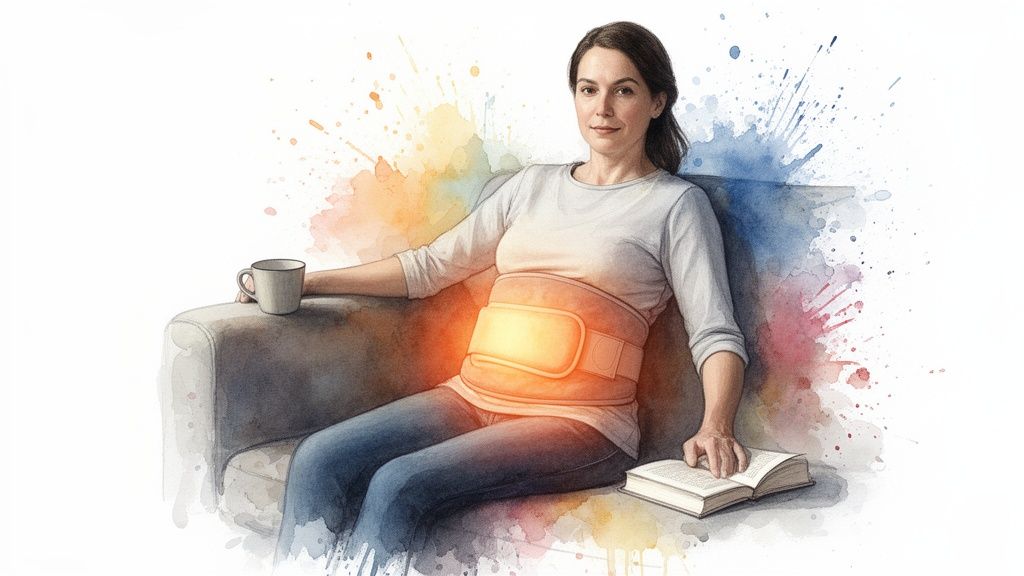
Heat therapy is more than just a cozy comfort—it’s a scientifically-backed tool for managing and even preventing menstrual pain. Applying warmth to your lower abdomen does a couple of crucial things. It helps relax the uterine muscles that are contracting and causing pain, and it boosts blood circulation to the area, which can further ease the spasms.
Think of it like this: your uterine muscles are clenching tightly, causing pain. Heat acts like a key, unlocking that tension and allowing the muscles to release. This increased blood flow also helps flush out the prostaglandins that are causing the contractions in the first place, offering a double benefit.
Studies have even found that consistent heat therapy can be just as effective as over-the-counter pain relievers like ibuprofen. It offers a fantastic, drug-free alternative, especially for those who experience stomach upset from NSAIDs.
Shift From Reactive Relief to Proactive Prevention
The real game-changer is when you start using heat before the pain gets bad. Most of us wait until we're already doubled over to reach for a heating pad, but the magic happens when you use it proactively.
As soon as you feel those first tell-tale signs—a dull ache in your lower back, a bit of bloating, that familiar heavy feeling—that's your cue. By applying a heat pack then, you keep the muscles relaxed from the get-go. This can prevent the intense, prostaglandin-fueled contractions from ever kicking into high gear.
Here’s how it looks in real life:
- Meet Maria, a busy teacher who used to dread the first two days of her period. The cramps were so intense she often had to call in sick, relying on strong painkillers that left her feeling groggy.
- She decided to try a preventive approach. Three days before her period was due, she started a new ritual: spending 20 minutes each evening with a comfortable heating pad while watching her favorite show.
- The first month, she noticed her cramps were less sharp. By the third month of this simple routine, the pain was so manageable that she didn't need any medication at all. She felt empowered and in control of her body again.
Making Heat Therapy a Seamless Part of Your Life
For heat therapy to work as a preventive tool, it has to be convenient. Nobody has time to be stuck on the couch with a leaky hot water bottle. Thankfully, modern solutions are designed for real life.
Look for heat packs with features that make them easy to use consistently:
- Hands-Free Straps: This is a big one. Adjustable straps let you secure the heat pack to your abdomen or back, so you can keep working, making dinner, or just moving around. You get continuous relief without being sidelined.
- Washable Covers: A removable, machine-washable cover keeps things hygienic and fresh month after month.
- Natural Fillings: Many high-quality packs use natural fillings like flaxseed, which provide a gentle, comforting weight and hold heat for a long time.
When you choose a heat pack designed for an active lifestyle, it stops feeling like a "treatment" and becomes a simple self-care ritual. To understand more about why this works so well, check out this deeper dive into how heating pads help with period cramps.
Add the Soothing Power of Massage
Just like heat, a gentle massage can work wonders on tight, cramping muscles. When you combine the two, you get a powerful one-two punch against pain. The benefit of massage therapy is its ability to manually break up muscle tension and further boost circulation, providing both immediate and lasting relief.
You don’t need to be a professional, either. A simple self-massage is incredibly effective and allows you to be in tune with your body's needs.
A Simple Self-Massage You Can Do Anywhere
- Find a comfortable position, like lying down with your knees bent.
- Place your hands on your lower abdomen and use your fingertips to make slow, clockwise circles.
- Apply gentle but firm pressure, paying a little extra attention to any spots that feel particularly sore.
- Do this for 5-10 minutes. Remember to breathe deeply to help your whole body relax.
For a next-level experience, try this right after using a heat pack. Your muscles will already be warmed up and much more receptive to the massage, making it feel deeply soothing and effective.
The principle of using heat to relax muscles isn't limited to periods, of course. It’s the same reason people recommend using a sauna for sore muscles after a tough workout—it’s all about boosting blood flow and releasing tension.
Adopt Daily Habits That Make a Real Difference
While quick fixes like heat are a lifesaver in the moment, the real secret to getting ahead of period cramps is what you do every day. Think of it less like putting out a fire and more like fireproofing your home. By weaving gentle movement, nourishing foods, and the right supplements into your daily routine, you create an internal environment that’s naturally less prone to pain and inflammation.
This is the long game, but these are the power moves that truly pay off. They work together to calm down prostaglandin production, boost blood flow, and keep your muscles from tensing up, which can completely change how you feel month after month.
Embrace Gentle Movement to Boost Natural Pain Relief
I get it. When you know cramps are coming, the last thing you feel like doing is working out. But hear me out—gentle movement can be one of your best allies. Consistent physical activity gets your circulation going everywhere, including your pelvic region, which helps ease muscle tension before it even has a chance to build into a full-blown cramp.
Even better, exercise prompts your body to release endorphins. These are your body's built-in painkillers and mood boosters. A simple walk or a relaxing yoga session can give you a natural dose of these feel-good chemicals, taking the edge off pain and making you feel more capable of handling whatever your cycle throws at you.
Movement That Fights Cramps:
- A Brisk Walk: Just 20-30 minutes a day is enough to get your blood pumping without adding stress to your body.
- Gentle Yoga or Stretching: Poses like Cat-Cow, Child's Pose, and easy spinal twists are fantastic for targeting and releasing that deep tension in your lower back and abdomen.
- Swimming: The water's buoyancy is incredibly supportive, making it a perfect low-impact activity that feels amazing when you're feeling sensitive.
We’re not talking about grueling, high-intensity training here. This is all about consistent, gentle care that sends a signal to your body that it’s safe to relax.
Fuel Your Body with an Anti-Inflammatory Diet
What you eat has a direct line to your body's inflammatory response, which is a huge factor in how bad your cramps get. Since prostaglandins are inflammatory by nature, a diet designed to fight inflammation can help lower their levels and, by extension, dial down your pain.
Pay special attention to your meals in the week leading up to your period. By loading up on anti-inflammatory champions and steering clear of things that can trigger inflammation, you’re proactively preventing cramps before they start. Adopting an anti-inflammatory diet is a powerful tool for overall wellness, and you can learn more about reducing inflammation naturally with a few simple tweaks to your lifestyle.
Foods to Add to Your Plate:
- Fatty Fish: Salmon, mackerel, and sardines are packed with omega-3 fatty acids, which are serious anti-inflammatory powerhouses.
- Leafy Greens: Think spinach and kale. They're loaded with antioxidants and muscle-soothing magnesium.
- Nuts and Seeds: Almonds, walnuts, and flaxseeds offer more healthy fats and a boost of magnesium.
- Berries and Ginger: These are full of antioxidants that help calm down inflammation throughout your body.
Foods to Limit or Avoid:
- Processed Sugar and Refined Carbs: Sugary drinks, white bread, and pastries can cause inflammation to spike.
- Excess Caffeine and Alcohol: Both can lead to dehydration and make cramps worse for some people.
- Red Meat and Dairy: These can be pro-inflammatory for some, so it’s worth paying attention to how you feel after you eat them.
Support Your Muscles with Key Supplements
Even with a great diet, sometimes your body can use a little extra support. A few specific vitamins and minerals are well-known for their role in muscle function and pain relief. Adding them to your routine (after a quick chat with your doctor, of course) can give you another layer of defense against cramps.
Magnesium is often called nature’s muscle relaxant for a reason. It's crucial for helping all your muscles, including your uterus, to release and function properly. Many women I know swear by a daily magnesium supplement for taking the intensity of their cramps down a few notches.
Likewise, B vitamins, particularly Vitamin B1 (thiamine) and B6, have been studied for their ability to reduce period pain. They support healthy nerve function and can help your body better manage pain signals.
It's a sobering fact that around 80% of women experience period pain at some point in their lives, with over half needing medication each cycle. For some, the pain is severe enough to disrupt daily activities, leading to absenteeism from work or school. This widespread issue highlights the need for effective, non-pharmaceutical prevention strategies. For a more detailed look into these statistics, you can explore this factsheet on period pain.
Soothe Your Body and Mind with Massage and Stress Relief
It’s easy to overlook, but your state of mind and physical tension are huge players in how bad your period cramps get. There’s a powerful link between mind and body; when you’re stressed out, your muscles tense up—and that includes your uterus. Learning how to soothe both is one of a surprisingly effective strategy for keeping cramps at bay.
Gentle, targeted massage can offer almost immediate relief by getting right to the source of the problem: muscle tension. It works by boosting blood flow to your lower abdomen and back, which helps manually release those tight, angry muscles causing the pain. And you don't need to book a professional—a simple self-massage can work wonders.
The Power of Therapeutic Touch
Think of your abdominal muscles as a knotted-up rope during your period. A good massage helps to gently untangle those knots, encouraging them to finally let go. This hands-on approach feels physically comforting and can be incredibly grounding emotionally, a potent combination when you're not feeling your best.
A simple technique can make all the difference. Lie down somewhere comfortable and bend your knees. Using the pads of your fingers, apply gentle but firm pressure to your lower abdomen. Start moving in slow, clockwise circles, focusing on breathing deeply and evenly. Pay attention to any tight spots and work on them gently. Just five minutes of this can seriously dial down the discomfort.
To take it up a notch, add a drop or two of lavender or clary sage essential oil to a carrier oil like coconut or jojoba. These oils are known for their calming and anti-spasmodic properties, adding another layer of relief.
Calm Your Mind to Relax Your Body
Stress is a major culprit behind period pain. When you're frazzled, your body pumps out more of the stress hormone cortisol. High cortisol levels can fuel inflammation throughout your body, which in turn can ramp up prostaglandin production and make your cramps feel so much worse. It's a frustrating cycle: pain causes stress, and stress makes the pain more intense.
Breaking that cycle is everything. This is where stress-management techniques become non-negotiable tools in your cramp-prevention toolkit. They work by switching on your body's parasympathetic nervous system—the "rest and digest" mode. This sends a direct signal to your tense muscles that it’s safe to relax.
Here's how that looks in real life: Imagine you take five minutes for a guided meditation before bed. As you focus on your breath, your heart rate slows, and your muscles begin to unclench. You're basically telling your pelvic floor and uterine muscles, "Okay, you can stand down now." This simple habit can stop the stress-pain cycle before it even gets a chance to start.
Managing your mental well-being is just as critical as the physical stuff when it comes to preventing cramps. You can find some excellent practical guidance on managing stress and anxiety to help you on your journey.
Combining Heat and Relaxation for Maximum Benefit
Massage and stress relief are fantastic on their own, but they become a true powerhouse when you pair them with heat therapy. Heat is a cornerstone for preventing period pain for a reason—it’s backed by solid clinical evidence. It works by dilating your blood vessels and melting away muscle tension.
In fact, one key study found that heat patches reduced pain scores (on a 0-10 scale) by 5.310 points, which was statistically just as effective as the 3.868 points from ibuprofen, but with fewer side effects. The research also highlighted that 80% of people using heat actually preferred it over medication because it was so much more convenient.
Ready to create a powerful pain-prevention ritual? Here’s how.
- Start with Heat: First, apply a warm heat pack to your lower abdomen for about 15 minutes. This warms up the muscles, increases circulation, and makes them more pliable.
- Follow with Massage: Once the area is warm and relaxed, go in with your gentle self-massage. You’ll find the muscles are much more receptive, and the massage will feel even more effective.
- End with Mindfulness: Wrap up with a few minutes of deep, diaphragmatic breathing. Place a hand on your belly and feel it rise and fall, focusing only on that sensation of calm.
This simple three-step routine creates a deeply relaxing experience that tackles cramps from every angle—physically, mentally, and emotionally. Building this into your pre-period care can fundamentally change your relationship with your cycle. If you need more inspiration, you might want to explore these 5 different ways to relax.
Build Your Personal Cramp Prevention Plan
Knowing all the individual strategies is one thing, but the real magic happens when you weave them into a routine that actually works for you. Creating a personal plan isn't about adding more to your to-do list; it's about shifting from reactive dread to proactive, empowering self-care. It's about giving your body what it needs before it has to scream for it.
This doesn't need to be some grand, complicated overhaul of your life. A good plan is really just a simple blueprint for what to do in the week leading up to your period and during the first few days. By being intentional with small, consistent actions, you can genuinely dial down the severity of your cramps and feel way more in control.
Designing Your Pre-Period Routine
The week before your period is your golden window for prevention. This is when your body’s prostaglandin levels are on the rise, so your goal is to keep them in check with gentle, consistent care. Think of it like training for a marathon—you wouldn't just show up on race day and hope for the best.
So, what does this look like in the real world? It's all about layering small habits. Remember, this is just an example—listen to your body and swap things around to fit your schedule and energy levels.
- 5 days out: Maybe you start your morning with a 15-minute gentle yoga session focusing on poses that open up the hips. Later, you could toss some salmon or walnuts into your lunch salad.
- 3 days out: How about a brisk 20-minute walk after work to get your blood flowing? Make sure you're taking your magnesium supplement. Before bed, spend 15 minutes with a heating pad on your abdomen while you read a book.
- 1 day out: You might be feeling a bit sluggish, so a light stretching session could feel better than a full walk. In the evening, a warm cup of ginger tea can do wonders for inflammation.
The goal is consistency, not perfection. Even just one or two proactive steps each day can make a huge difference in preventing cramps from escalating.
This simple mind-body timeline gives you a great visual for layering in relaxation techniques.
By slotting in simple things like massage, deep breathing, or a short meditation, you’re actively calming your nervous system and telling those tense muscles to relax.
Your Weekly Cramp Prevention Checklist
To help you get started, here’s a sample checklist. Think of it as a template to build from. Use it to map out your week, and don't be afraid to experiment to find the combination of strategies that gives you the most relief.
| Day | Activity (1-2 Options) | Diet Focus | Relaxation/Relief |
|---|---|---|---|
| 5 Days Before | 20-min Walk or Gentle Yoga | Add omega-3s (salmon, flax) | 10-min Deep Breathing |
| 3 Days Before | 15-min Stretching | Focus on leafy greens (spinach) | 15-min Heat Therapy |
| 1 Day Before | Light Walk | Drink ginger or chamomile tea | 5-min Self-Massage |
| Period Day 1 | Rest or Gentle Stretches | Hydrate & anti-inflammatory foods | Heat & Massage as needed |
| Period Day 2 | Short Walk if feeling up to it | Avoid excess sugar and caffeine | Mindful Meditation |
| Period Day 3 | Gentle Yoga | Continue with nourishing meals | 15-min Heat Therapy |
This kind of structured approach helps you become an expert on your own body. After a few cycles, you'll start to see what truly moves the needle for you. The key is to listen to what your body is telling you and respond with gentle, proactive care.
Answering Your Top Questions About Cramp Prevention
It's natural to have questions when you're trying to build a new routine, especially one as personal as managing your period. Getting a handle on what works for your body is everything. Let's dig into some of the most common questions people ask about stopping cramps before they start.

Think of this as a quick-reference guide to help you feel confident and in control, using the same natural, evidence-backed methods we've been talking about.
How Long Should I Use a Heat Pack For?
When you're trying to prevent cramps, a little bit each day goes a long way. I usually recommend about 15-20 minutes of heat on your lower belly or back in the few days leading up to your period. Think of it as a warm-up for your muscles.
If cramps have already started, feel free to use heat for about 20 minutes at a time, as often as you need it. Just be sure to give your skin a little break in between sessions to avoid any irritation. For many people, this simple trick works just as well as an over-the-counter painkiller.
Can Massage Actually Make a Difference?
Yes, it really can. A gentle, circular massage over your lower abdomen does wonders. It’s not just about feeling good; it physically boosts blood flow and helps those spasming uterine muscles to unclench.
Here's a tip: try a five-minute massage right after using a heat pack. The heat primes the area, making your muscles much more responsive to the massage. It’s a simple, powerful way to soothe the pain and calm your whole nervous system down.
Heat and massage are a powerful duo for fighting period pain. Heat coaxes the muscles to relax from the outside, while massage gets in there to work out the deeper tension. You get both immediate relief and a longer-lasting sense of comfort.
Why Do My Cramps Sometimes Feel Worse Than Others?
It's not just you—cramp intensity can change a lot from month to month. Things like stress levels, what you've been eating, and even how well you're sleeping can have a huge impact. When you're stressed, your body produces more cortisol, a hormone that ramps up inflammation and those cramp-causing prostaglandins.
This is exactly why looking at the big picture is so important. You’ll almost certainly notice that in months where you've eaten well, found ways to de-stress, and gotten good sleep, your cramps are much more manageable. It's a clear reminder of how much your daily habits influence your cycle.
Ready to make heat therapy an effortless part of your routine? The hands-free, washable heat packs from SunnyBay are designed for real life, letting you get that consistent, drug-free relief while you work, relax, or just go about your day. Check out the collection at https://sunny-bay.com.


