


Finding the Best Microwave Heat Pad for Natural Pain Relief
-
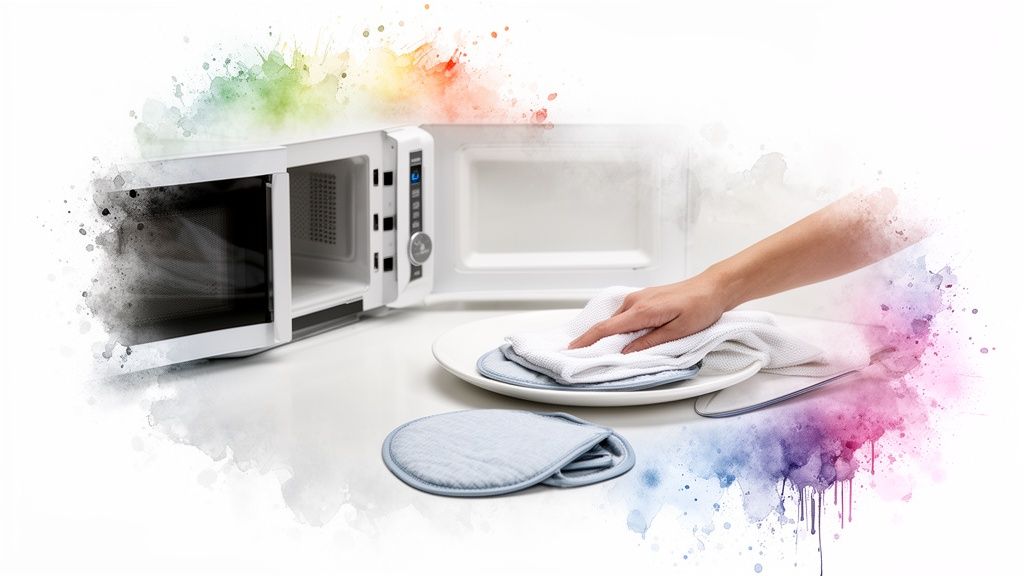
When pain shows up uninvited—whether it’s a dull, persistent backache or the sharp complaint of a pulled muscle—finding relief that works fast is all that matters. Imagine being able to soothe that ache in minutes, without reaching for a pill bottle. A great microwave heat pad is often the simplest, most effective answer. It's a drug-free way to deliver targeted warmth that goes right to the source, melting away tension and soothing discomfort. It's no wonder these reusable pads are becoming a staple in so many people's wellness toolkits.
Why Heat Therapy is a Go-To for Natural Relief
In a world of complicated fixes, the simple, reliable power of heat therapy (also known as thermotherapy) still stands out as one of the best ways to manage pain. It's a completely natural approach that enhances your body's own ability to heal. When you apply a warm compress, you're doing more than just creating a cozy feeling; you're actually triggering a helpful physiological response.
The focused warmth from a microwave heat pad makes the blood vessels in that specific area dilate, or open up. This immediately boosts circulation, which rushes more oxygen and vital nutrients to the tissues that need it most. The result? Tense muscles finally start to relax, stiffness fades, and the pain signals quiet down. You can dive deeper into the science behind the benefits of heat therapy in our detailed guide.
From Daily Stress to Chronic Pain
What makes a microwaveable heat pad so essential is its sheer versatility. It's not just for big injuries; it’s a lifesaver for the aches and pains that come with daily life.
- For the Desk Worker: We've all been there. Hours hunched over a laptop lead to that stiff, sore feeling often called "tech neck." A properly contoured neck and shoulder wrap, heated for just a couple of minutes, can be draped over your shoulders to dissolve that tension while you continue to work. For example, Sarah, a graphic designer, keeps a neck wrap at her desk. When she feels a tension headache coming on after a long project, she heats the pad for 90 seconds. The targeted warmth on her neck and shoulders eases the muscle strain, often stopping the headache in its tracks so she can finish her workday comfortably.
- For Post-Workout Soreness: After pushing yourself at the gym, applying heat to major muscle groups like your lower back or quads can significantly reduce that next-day soreness (DOMS) and help improve your flexibility for the next workout.
- For Chronic Conditions: People managing conditions like arthritis often find that a routine of heat application, especially in the morning, helps ease joint stiffness and makes moving around throughout the day much more comfortable.
The Power of Combining Therapies
Heat therapy is fantastic on its own, but it also works incredibly well with other wellness practices. For example, using a heat pad before a massage can help loosen up tight muscles, allowing the therapist to work more deeply and effectively. Think of it as a warm-up for your muscles. By preparing them with heat, a massage therapist can achieve better results with less discomfort, making your session more beneficial and relaxing.
By combining gentle heat with light stretching, you can create a powerful synergy that promotes muscle relaxation and enhances your range of motion, turning a simple heat session into a truly therapeutic experience.
This combined approach doesn't just address physical discomfort; it also helps with the mental strain that pain often brings. While microwave heat pads give you direct physical comfort, exploring other methods for reducing stress naturally can round out your path to feeling better. This guide is designed to help you find the best microwave heat pad for your needs, showing you how to distinguish average products from the truly therapeutic, clinic-grade options offered by SunnyBay.
How to Choose the Right Heat Pad for You
Picking out the best microwave heat pad isn't a one-size-fits-all deal. It's about getting into the nitty-gritty details—the stuff inside, the fabric outside, and how it’s all stitched together—that make a real difference in your comfort and relief. Think of this as your inside guide to making a smart choice that actually delivers on its promise of therapeutic warmth.
First things first, what kind of pain are you dealing with? Knowing where to start can be tricky, but this flowchart can point you in the right direction.
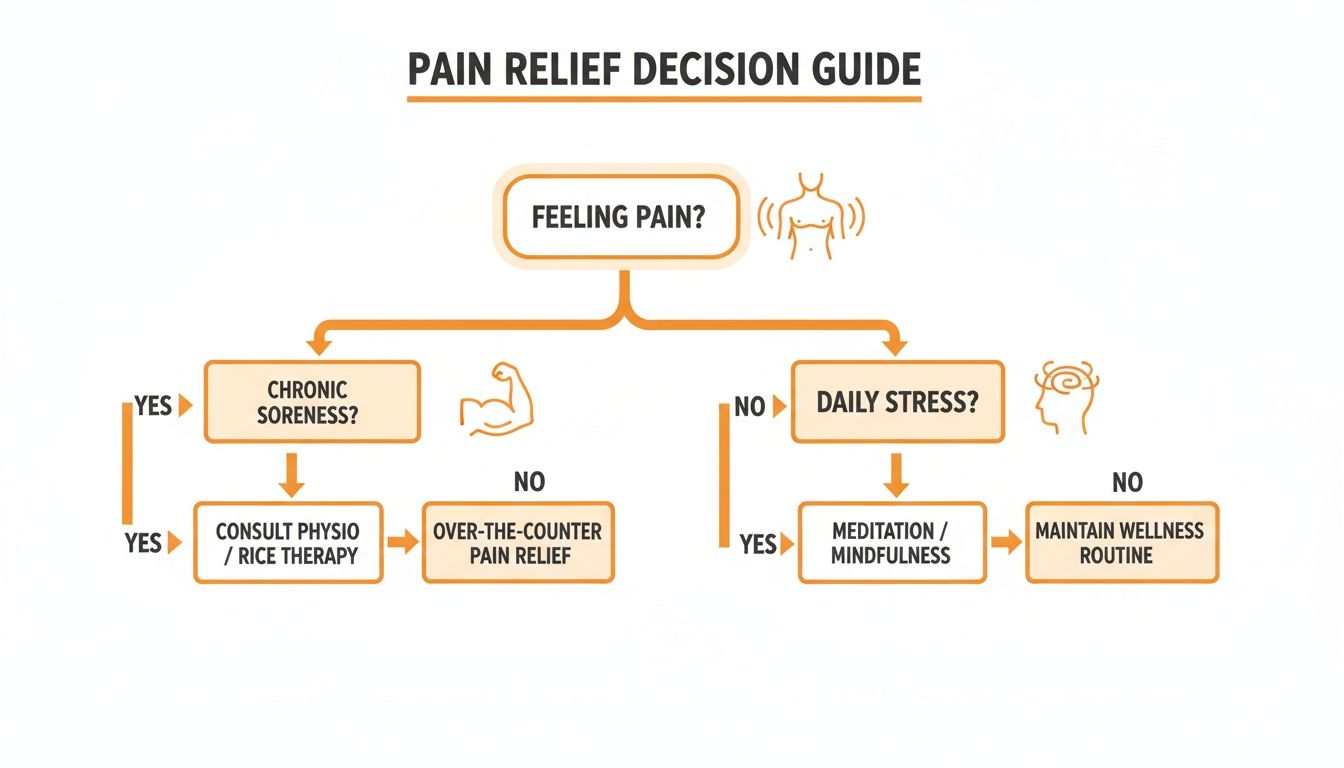
As the chart shows, whether you’re wrestling with persistent soreness or the tension from a long day, there’s a targeted solution waiting for you.
What's Inside Matters: A Look at Fillers
The filling is the heart of any heat pad. It's what holds the heat, provides the therapeutic moisture, and dictates how the pad molds to your body. Let's break down the three most common options you'll find.
-
Flax Seed: Often seen as the gold standard, these tiny, smooth seeds have a high oil content—about 40%. This is key because it allows them to hold heat longer and release it as a gentle, moist warmth that sinks deep into your muscles. Their small size also means the pad drapes beautifully over the contours of your body, ensuring no spot is left untreated.
-
Whole Wheat: A classic and popular choice, whole wheat is a real workhorse when it comes to heat retention. When you warm it up, it gives off a subtle, earthy smell that many people find incredibly soothing. The kernels are a bit larger than flax, but they still provide a nice, comforting weight.
-
Lava Sand: Looking for something hypoallergenic and odorless? Lava sand is your answer. These tiny volcanic rock particles heat up fast and evenly, providing a unique, fine-textured weight without any of the potential allergens from grains. If you have sensitivities or just don't like natural scents, this is a fantastic option.
A key thing to understand is the difference between moist and dry heat. Fillers like flax seed naturally give off moisture when heated. This moist heat is incredibly effective because it helps the warmth penetrate deeper into muscle tissue for real relief, unlike the surface-level warmth you get from dry heat.
Choosing the Right Fabric for Comfort and Care
The fabric is what you'll feel against your skin, so its texture and how it handles heat are just as important as the filling.
-
Anti-Pill Fleece: If you're after pure coziness, fleece is hard to beat. It’s exceptionally soft and feels luxurious. Plus, fleece is a fantastic insulator, which helps the heat pad stay warm longer, giving you a more extended therapy session. The "anti-pill" quality is a nice bonus, keeping it smooth and comfy use after use.
-
100% Cotton: Cotton is all about efficient heat transfer. It’s breathable and allows warmth to move through it directly to your skin, which is perfect if you want potent, focused heat. Cotton is also tough and easy to clean—a huge plus for something you'll be using regularly. You can dig deeper into fabric choices in our guide on how to choose the best microwavable body heating wrap.
Microwave Heat Pad Feature Comparison
To help you see how these options stack up, this table gives a side-by-side look at the most important features. Think about what's most important to you: long-lasting moist heat, something hypoallergenic, or a material that feels incredibly soft?
| Feature | Flax Seed | Whole Wheat | Lava Sand |
|---|---|---|---|
| Heat Retention | Excellent | Very Good | Good |
| Heat Type | Moist | Moist | Dry |
| Hypoallergenic | No (Plant-based) | No (Gluten) | Yes |
| Scent | Mild, nutty | Earthy, subtle | Odorless |
| Body Contouring | Excellent | Good | Excellent |
| Best For... | Deep muscle relief and superior comfort | Classic, comforting warmth with a natural scent | Allergy sufferers and those who prefer dry heat |
This comparison should help you zero in on the filler that aligns perfectly with your wellness goals, whether it’s penetrating moist heat for deep aches or a simple, dry warmth for sensitive skin.
Why Quality Construction Is Non-Negotiable
A well-made heat pad isn't a luxury—it's essential for safety and performance. The quality of its construction directly affects how evenly the heat spreads and, frankly, how long the product will last you.
You absolutely want to look for pads with chambered designs. This just means the inside is stitched into separate sections. This clever feature stops the filling from sliding around and clumping in one spot, so you get consistent warmth across the entire pad. Without these chambers, you'd get frustrating hot and cold spots.
Equally important are strong, durable seams. A heat pad goes through a lot of stress, from repeated heating and cooling to just being moved around. Flimsy stitching will eventually give way, leading to leaks that make the pad useless. High-quality construction, which you’ll find in clinic-grade brands like SunnyBay, ensures your heat pad remains a reliable part of your wellness routine for years.
There's a reason for this focus on quality. The demand for dependable, drug-free pain solutions is skyrocketing, with the microwave heating pad market projected to reach $115 million in 2025. It’s a direct response to the needs of over 1.5 billion people globally dealing with chronic conditions.
Targeting Your Pain with the Right Design
Picking the right microwave heat pad isn't about grabbing the first one you see; it's about finding the perfect fit for your specific ache. A great heat pad is designed to hug the contours of your body, delivering soothing warmth exactly where you need it most. This targeted approach is what turns a simple product into a serious tool for relief.
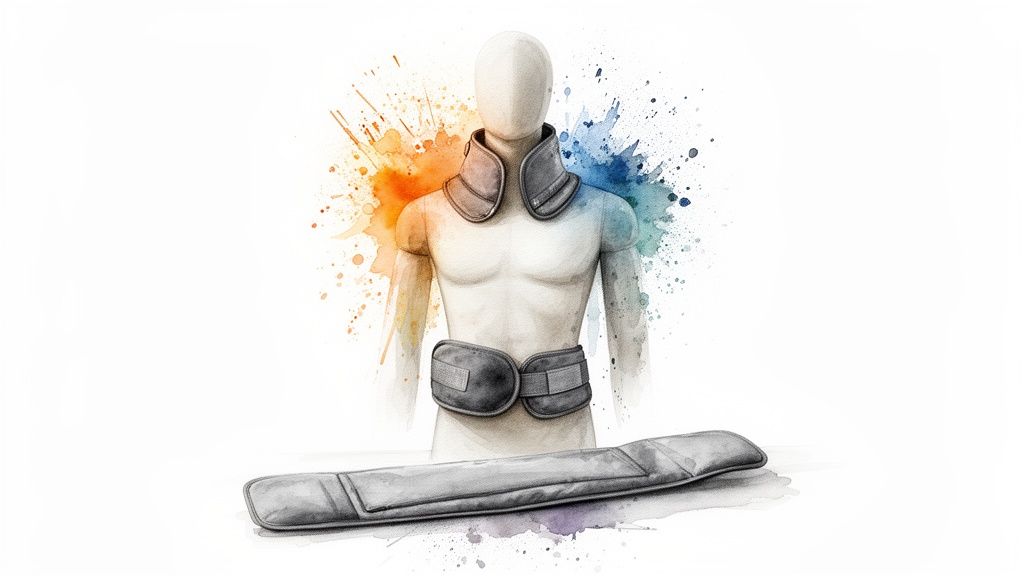
Think about it: a flat, rectangular pad is okay for general use, but it’s not going to do much for a stiff neck. For that, you need an ergonomically shaped wrap that stays put and covers all the right muscles. Understanding these design differences is the key to finding fast, effective relief.
The Desk Worker’s Dilemma
If you spend hours hunched over a keyboard, you know the ache. It’s that familiar, nagging pain often called "tech neck," a deep strain that builds up in the shoulders and creeps toward the base of your skull. All too often, it’s the culprit behind tension headaches that can ruin your focus and your day.
The best solution for this is a hands-free neck and shoulder wrap. Look for one with a high collar that can reach those upper neck muscles and has some weight in the shoulders to keep it draped comfortably, applying just the right amount of gentle pressure. This design lets you keep working or relaxing while the pad gets to work melting away muscle knots.
This kind of focused relief is incredibly effective. The U.S. heating pads market, valued at $544.76 million in 2023, is growing precisely because people are looking for answers to these common problems. For the 40% of desk workers reporting neck and shoulder pain, specialized pads have been shown to cut down on tension headaches by as much as 55%. You can learn more about these market trends and the effectiveness of targeted heat therapy.
The Athlete’s Recovery Ritual
For anyone who’s active, recovery is just as crucial as the workout itself. Muscle soreness, a strained lower back, or stiff joints can seriously hinder your performance and keep you on the sidelines longer. That's where a large, versatile body pad becomes an essential part of your recovery kit.
A generously sized rectangular or square pad gives you the flexibility to treat large muscle groups. You can lay it across your lower back after a heavy lifting session, drape it over your quads or hamstrings post-run, or even use it to pre-warm muscles before you stretch to improve flexibility. For instance, after a long run, a marathon trainee named Mark uses a large pad on his hamstrings for 15 minutes. This simple act of heat therapy helps prevent tightness the next day, allowing him to stick to his training schedule without being sidelined by soreness.
Making heat therapy a regular part of your post-activity routine can seriously speed up muscle recovery. The warmth increases blood flow, which helps flush out lactic acid and deliver fresh oxygen to tired tissues. The result is less soreness and a body that's ready for the next challenge.
This strategy is vital for managing the nearly 50 million sports injuries that happen each year. A large pad provides the broad coverage needed to tackle widespread soreness, making it a true cornerstone of any smart recovery plan.
The Menstrual Cramp Lifesaver
Menstrual cramps can be completely debilitating, causing sharp, radiating pain in the lower abdomen and back. When you're dealing with that, you just want comfort and gentle relief. A heat pad designed specifically for this purpose can be a game-changer, offering a soothing, drug-free solution.
The best microwave heat pad for cramps is usually soft, pliable, and perfectly sized to rest on your abdomen without feeling heavy or awkward. Many people find that pads infused with lavender provide an extra layer of relief through aromatherapy; the calming scent helps ease stress and encourages relaxation. This isn't just a feeling—clinical studies have shown that lavender-scented variants provide 45% better soothing for cramps than topical gels alone.
- Ergonomic Shape: Find a pad that molds to your lower abdomen for consistent, gentle heat.
- Aromatherapy: The calming properties of lavender can amplify the pain-relieving effects.
- Soft Fabric: Materials like fleece or plush cotton add a comforting softness against sensitive skin.
By choosing a pad designed for this specific use, you can turn a painful time of the month into a far more manageable one. It’s this thoughtful approach that separates a simple heat source from a truly therapeutic tool.
Why Professional-Grade Heat Pads Are Different
Ever wonder if the heat pad at your physical therapist’s office is the same as the one you can buy online? While they might look similar, the ones used in professional settings are built on a completely different level. For a chiropractor or therapist, a heat pad isn't just a comfort item—it's a clinical tool that has to work perfectly, every single time.
They need something that can stand up to being heated and used on patient after patient, all day long. This isn't about luxury; it's about delivering consistent, reliable therapeutic heat. That’s why everything, from the fabric and stitching to the filling inside, is engineered for heavy-duty performance.
Built to Withstand Constant Use
Think about the difference in mileage. A typical heat pad you buy for home might see action a few times a week. In a clinic, that same pad is a workhorse, getting microwaved and applied over and over again throughout the day. To handle that kind of demand, every component has to be tougher.
You’ll find heavy-duty stitching is absolutely non-negotiable. The seams are reinforced to make sure they won't burst or leak, even after hundreds of heating cycles. It’s this kind of bulletproof construction that makes a heat pad a safe, dependable tool in a busy practice.
The fabric choice is also more than skin deep. It’s selected not just for how soft it feels, but for its resilience. The material needs to endure high temperatures repeatedly without breaking down, ensuring the pad stays effective and hygienic for the long haul.
A physical therapist puts it this way: "In my practice, consistent and evenly distributed heat is non-negotiable for relaxing muscle spasms. We rely on durable, chambered pads that deliver reliable therapeutic heat every time."
When you invest in a clinic-trusted brand like SunnyBay, you're essentially bringing that professional-grade durability home. You get a product built to last.
Superior Materials for Better Therapeutic Heat
The real secret to better performance often comes down to what's on the inside. While many consumer pads use basic grains, professional-grade models use fillers specifically chosen for superior heat retention and delivery.
-
Premium Fillers: Most clinics lean towards 100% flaxseed. Because of its high oil content, flaxseed not only holds heat longer but also releases it as moist heat. This is a game-changer because moist heat penetrates deeper into muscle tissue than dry heat, offering far more effective relief from stubborn knots and stiffness.
-
Chambered Designs: You'll almost never see a single-pouch heat pad in a professional setting. Instead, they use a chambered design, where internal stitching creates separate pockets. This simple feature is brilliant because it keeps the filler perfectly distributed, preventing it from clumping into one corner and eliminating those frustrating hot and cold spots.
These aren't just minor tweaks; they fundamentally improve the therapeutic experience. The combination of high-quality fillers and intelligent construction ensures the heat gets delivered precisely where it's needed, providing the kind of dependable relief that both practitioners and patients count on.
Getting the Most from Your Heat Pad Safely
So, you've got a great microwave heat pad. That's the first step. But knowing how to use it safely and effectively is what really unlocks its full potential for soothing relief. It’s all about creating a simple, reliable wellness routine you can turn to whenever you need it.
Following a few simple guidelines protects your skin and helps your heat pad last for years. This is how a good product becomes an indispensable part of your self-care, letting you focus completely on feeling better.
Essential Safety and Usage Tips
First things first: always read the manufacturer's instructions. Every microwave is a little different, and heating times can vary quite a bit depending on your appliance's wattage.
- Start Low and Go Slow: Always start with the shortest recommended heating time, usually around 60-90 seconds. You can always add more time in 15-second bursts, but you can’t reverse an overheated pad.
- Test the Temperature: Before you put that pad directly on your skin, give it a quick touch on the inside of your wrist. It should feel comfortably warm, not unpleasantly hot.
- Use a Barrier: Especially for the first few minutes, place a thin towel between the heat pad and your skin. This is a simple but effective way to prevent burns. Our detailed guide offers more comprehensive insights into heating pad safety.
- Never Leave Unattended: Don't wander off while your pad is in the microwave. Staying nearby prevents it from overheating, which could damage the pad or even create a fire risk.
Pro Tips for Maximum Therapeutic Benefit
Once you've got the basics down, a few extra tricks can take your heat therapy session to the next level for deeper, more effective relief.
- Introduce Moist Heat: For warmth that seems to sink right into deep muscle tissue, try lightly misting your heat pad with water before microwaving. This creates a gentle steam effect that works wonders on stubborn knots.
- Embrace Cold Therapy: Most high-quality heat pads are versatile. Just pop yours into a sealed bag and store it in the freezer for a few hours. It transforms into a flexible cold pack, perfect for calming down swelling from a recent injury.
- Perfect Your Pre-Bedtime Ritual: Using a heat pad for 15-20 minutes before you turn in can relax your body and quiet your mind, setting you up for a great night's sleep. To really double down on the coziness, you can combine this with other strategies on how to keep your bed warm.
Remember the golden rule of thermotherapy: apply heat for 15-20 minutes at a time. This is the sweet spot for boosting blood flow and relaxing muscles without risking any skin irritation from leaving it on too long.
Care and Maintenance for Longevity
Taking good care of your heat pad is just common sense. The global market for heating pads is massive—worth an estimated $54.32 billion in 2024—and microwavable pads are a popular choice because they're so easy to use. Quality designs, like SunnyBay’s pads with anti-pill fleece and 100% cotton, distribute heat evenly and help prevent the burns reported in 5% of cheaper imports. Still, proper maintenance is key for safety and hygiene.
If your pad has a removable cover, wash it according to the label to keep it fresh. For pads without a cover, just spot-clean the surface with a damp cloth and a little mild soap. Just be sure it’s completely dry before you use it again.
Still Have a Few Questions?
Even with all the details covered, you probably have a few practical questions swimming around. That’s perfectly normal. Let's tackle some of the most common ones I hear from people trying to find the right microwave heat pad.
How Long Does a Microwave Heat Pad Stay Warm?
This is the big one, right? The duration of warmth is what makes or breaks a good therapy session. Generally, you can expect a high-quality pad to deliver effective, therapeutic heat for a solid 15 to 30 minutes.
What really drives this is the filler material. Fillers with a higher oil content, like flaxseed, are the undisputed champs of heat retention. They release a gentle, moist warmth that lasts. The temperature of the room you're in also makes a difference—a chilly room will pull heat from the pad faster. The main goal, though, is to provide a concentrated dose of heat for that ideal 15-20 minute therapeutic window, which is just the right amount of time to boost blood flow and get those tight muscles to relax.
Can I Use a Microwave Heat Pad for Cold Therapy?
Absolutely, and this is one of the best things about a well-made, natural-fill pad—its incredible versatility. While they're built for heat, most can easily pull double duty for fantastic cold therapy, also known as cryotherapy.
To switch gears to a cold pack, just seal the pad in a plastic bag (this keeps it dry and free from freezer smells) and pop it in the freezer for at least two hours. The filler gets perfectly chilled without freezing into a solid, awkward block. You're left with a flexible cold compress that actually molds to your body, making it ideal for taming the swelling and inflammation from a fresh injury like a sprain or strain.
Expert Tip: For new injuries, the standard medical advice is to use cold therapy for the first 48 to 72 hours to keep swelling down. Once that initial phase is over, you can switch to heat to encourage blood flow and kickstart the healing process.
This dual-use capability makes a good microwaveable pad one of the most valuable tools you can have in your home wellness kit.
Are Scented Heat Pads Overwhelming?
It's a great question, especially for anyone sensitive to smells. While many people find the added aromatherapy incredibly soothing, the concern about it being too much is valid. Heat pads infused with natural botanicals, like lavender, are designed to release a gentle, calming fragrance when you warm them up.
The whole point of the scent is to deepen your relaxation and ease stress, which can actually amplify the pain-relieving effects of the heat. In fact, studies show that scents like lavender can significantly reduce feelings of anxiety. For instance, using a lavender-scented heat pad for period cramps can provide 45% better soothing than an unscented pad alone.
But if you know you're sensitive to smells or just prefer a neutral experience, don't worry. There are plenty of fantastic odorless options. Brands like SunnyBay make pads filled with unscented flaxseed or even lava sand, so you get all the therapeutic heat without any fragrance at all.
What Makes a Clinic-Grade Pad Better?
We've touched on this, but it’s worth a closer look at what separates a professional-grade pad from the rest. When a physical therapist or chiropractor stocks their clinic, they're looking for workhorses—pads that deliver consistent, powerful therapy and can handle being used all day, every day.
Here’s a quick breakdown of what sets them apart:
- Superior Materials: Clinic-grade pads almost always use premium fillers like 100% flaxseed. It’s chosen for its ability to produce moist heat, which penetrates deep into muscle tissue far more effectively than the dry heat from cheaper fillers.
- Durable Construction: They’re built tough, with heavy-duty stitching and resilient fabrics that won't leak or break down after constant use. This level of quality is all about safety and a long product life.
- Chambered Design: This is a non-negotiable feature for professionals. The pad is stitched into smaller pockets, which keeps the filler from shifting and bunching up. This design eliminates hot and cold spots, ensuring every inch of the pad delivers consistent, reliable warmth for the best possible outcome.
When you choose a clinic-trusted brand, you’re basically bringing that same professional standard of quality and reliability into your own home. It’s an investment in relief that actually works and lasts.
Ready to feel the difference that professional-grade heat therapy can make? Explore the full range of U.S.-made microwavable heat pads from SunnyBay and find the perfect design to target your pain and melt away stress.


