


Finding the Best Heating Pad for Arthritis Pain Relief
-
When you're dealing with the daily grind of arthritis, finding the right heating pad isn't just about warmth—it's about finding consistent, targeted relief that actually works for your specific aches and pains. The best kind of heating pad feels less like a gadget and more like a gentle, warm hug for those stiff, sore joints, helping you move more freely and feel better. For many people, this simple tool becomes a cornerstone of their daily pain management strategy.
Your Guide to Soothing Arthritis Pain with Heat Therapy
Living with arthritis can feel like an uphill battle against your own body. Everyday things we take for granted, like twisting open a jar or just getting out of a chair, can become frustratingly difficult. But you're definitely not alone in looking for effective relief, and one of the most powerful, drug-free tools you have is good old-fashioned heat therapy. A quality heating pad can bring incredible comfort, making a real difference in managing joint stiffness and that persistent, nagging ache.
Imagine your sore joints are like a tangled knot. Applying a heating pad is like a gentle hand slowly working that knot loose. The warmth sinks deep into the tissue, boosting blood flow to the area. This increased circulation brings a fresh supply of oxygen and nutrients to your sore spots, which helps dial down the pain signals and improve flexibility.
Here, you can see someone getting relief right where they need it—the knee, a very common trouble spot for people with arthritis.

The picture shows just how crucial a well-designed, contoured pad can be. It wraps around the joint, making sure that comforting heat is applied directly to the source of the pain. This kind of focused application is what makes heat therapy such a game-changer.
How Heat and Massage Can Work Together
To take things a step further, many modern heating pads now come with a massage function. This one-two punch is fantastic for arthritis because it tackles two major issues at once: the stiffness in the joint and the tension in the muscles surrounding it. It's like having a personal therapist available whenever you need one.
- Heat Therapy (Thermotherapy): This is all about increasing circulation, which helps relax those stiff joints and block pain signals from reaching your brain. For example, just 15 minutes of heat on arthritic hands before you start your day can make gripping and moving so much easier. Imagine being able to button your shirt or hold your morning coffee without that familiar wince of pain. That's the power of heat therapy.
- Massage Therapy: Gentle vibrations help release the tight, overworked muscles that often accompany sore joints. This soothing action enhances the relaxing effects of the heat, providing more comprehensive relief. Think of how a gentle back rub can melt away stress; a massage pad does the same for the muscles guarding your sore joints.
Heat is particularly effective for larger muscle groups. For instance, it can work wonders on back muscle spasms—as long as those spasms aren't from a brand-new injury or fall.
Finding the Right Type of Warmth for You
Getting started means understanding the different kinds of heating pads out there. Each one has its own strengths, designed for different lifestyles and needs. While we're focused on pads, it's good to remember that heat therapy can also mean full-body warmth, like what you'd find in an ultimate guide to electric blankets.
Before we get into the nitty-gritty details, this quick table breaks down the three main types of heating pads to help you narrow down your options.
Quick Guide to Arthritis Heating Pads
This summary compares the three main types of heating pads to help you find the best fit for your arthritis needs.
| Pad Type | Best For | Key Benefit |
|---|---|---|
| Electric | Consistent, long-duration relief for chronic pain | Adjustable temperature and auto-shutoff safety features |
| Microwavable | Deep, moist heat for intense, focused muscle relief | Portable, cordless, and often filled with natural grains |
| Disposable | On-the-go relief for travel or work | Convenient, single-use, and air-activated for simplicity |
Think of this table as your starting point. As we explore the features in the next section, you’ll get an even clearer picture of which pad is the perfect match for your pain relief routine.
How Heat Therapy Eases Aching Joints
Have you ever wondered what’s really happening when a simple heating pad brings so much relief to your arthritis? The science behind it is surprisingly straightforward and effective. Think of a stiff, sore joint like a sponge that’s dried out overnight. It's rigid, unyielding, and trying to bend it just feels wrong.
But run that same sponge under warm water, and it becomes soft and pliable again. Heat therapy, or thermotherapy, works in a very similar way on your joints and the muscles around them. It gently persuades them from a state of stiff, aching discomfort into one of flexible ease.
This isn't just about feeling cozy, though. That gentle warmth triggers a cascade of biological responses that work together to calm your aching joints.
Boosting Blood Flow to Heal and Soothe
The moment you apply heat to a painful spot, something called vasodilation begins. It sounds technical, but it just means your blood vessels get wider. Picture a tiny country lane suddenly expanding into a multi-lane highway.
This "highway" effect allows a rush of fresh, oxygenated blood to the area. Why is this so important? Because blood is your body's ultimate delivery service, and it's carrying two things your sore joints are craving:
- Oxygen and Nutrients: These are the essential supplies for tissue repair. Flooding the area with them helps your body's natural healing processes kick into a higher gear.
- Waste Removal: Increased blood flow also acts like a cleanup crew, flushing out metabolic byproducts and pain-inducing substances that build up in inflamed tissues.
Applying a heating pad to your lower back for just 15-20 minutes doesn't just feel good—it kickstarts this vital circulatory boost, helping to relax tight muscles and ease that deep, nagging ache of arthritis.
This is the core reason why finding the best heating pad for arthritis isn't a luxury; it's a practical tool that actively helps your body manage pain and stiffness.
Turning Down the Volume on Pain Signals
Heat therapy also plays a clever trick on your nervous system. Your body is constantly sending signals to your brain, including messages for both temperature and pain. They often travel along the same neural pathways.
When you introduce warmth from a heating pad, it stimulates the sensory receptors in your skin. These receptors fire off "heat" signals that travel to your brain, essentially crowding out and overpowering the pain signals. It's like turning up the music to drown out a noisy neighbor.
The heat signals simply win the race to the brain. This is why the relief can feel almost instant—you are actively interrupting the pain messages before they can register.
The Power of Gentle Massage Therapy
Many of the best heating pads today don't stop at just heat; they add gentle massage into the mix, creating a powerful one-two punch against arthritis pain. If heat therapy opens the circulatory highway, think of massage as the traffic controller, directing relief exactly where it needs to go.
Those gentle vibrations work to:
- Release Muscle Tension: Arthritis pain often makes the surrounding muscles tighten up in a protective clench. Massage coaxes these muscles to relax, which takes a lot of strain off the joint itself.
- Enhance Relaxation: The combination of warmth and rhythmic pressure has a deeply calming effect on the entire nervous system. This reduces stress, which we know can make pain feel much worse.
For example, if you struggle with arthritis in your hands, a heating pad with a massage function can be a lifesaver. The heat boosts blood flow to all the tiny joints in your fingers and wrist, while the massage helps release the tight, tired muscles in your forearm. Suddenly, simple things like holding a cup or typing become much less of a painful chore. To dive deeper into how this all works, check out our guide on the benefits of heat therapy.
Comparing Electric, Microwavable, and Disposable Pads
Alright, so you’re sold on heat therapy for your arthritis. The big question now is, which tool is right for you? It's not a one-size-fits-all situation. The best heating pad for arthritis is the one that fits your pain, your body, and your lifestyle.
The market generally splits into three camps: electric, microwavable, and disposable pads. Think of it this way: one is your reliable home comfort system, another is for quick, potent relief, and the third is for pain management on the move.
Before we dive in, it’s helpful to know when to reach for heat versus cold. This quick decision tree can help you figure out the best approach based on your symptoms.
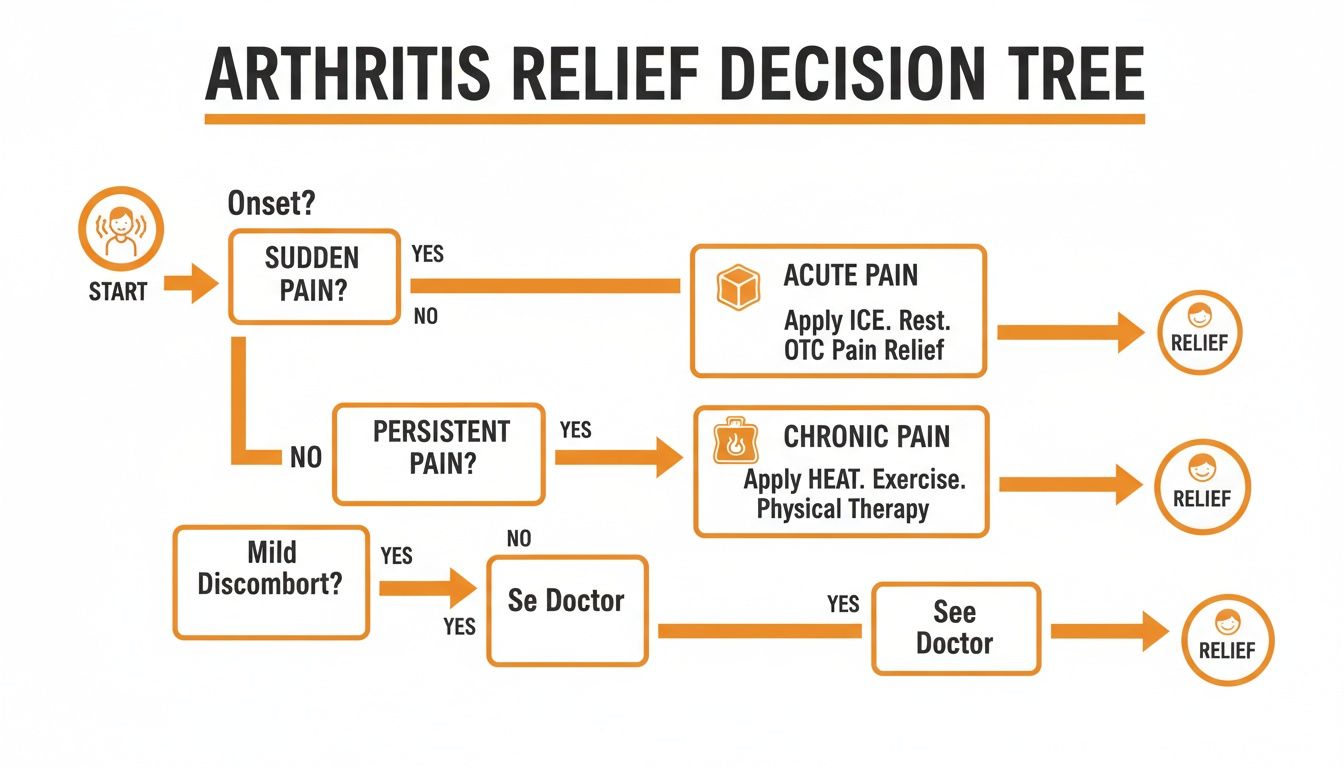
As you can see, for that deep, persistent ache that comes with chronic arthritis, heat is your best friend. That’s where these pads really prove their worth.
Electric Heating Pads: The Consistent Comfort Kings
Electric heating pads are the workhorses of the heat therapy world. You plug one in, and you get a steady, reliable stream of warmth that you can dial in perfectly. This makes them fantastic for tackling that stubborn, chronic pain that needs a longer session to really ease up.
Their biggest advantage is adjustable and continuous heat. Most models offer several temperature settings, so you can find that “just right” level of warmth. They also almost always include an auto-shutoff timer—a critical safety feature that lets you relax completely, or even doze off, without a worry.
Let's look at a real-world example:
Someone with chronic arthritis in their lower back deals with a constant, dull ache that worsens overnight. An electric pad is the perfect solution. They can place it across their lower back, set it to a low, comforting temperature, and let the 2-hour auto-shutoff provide safe, extended relief as they fall asleep.
It's no surprise that these reliable devices are getting more popular. The global heating pad market is growing, largely because of an aging population and the rising number of people with arthritis. One analysis even projects the specialized heating pad market will hit around $353 million by 2025, with electric and infrared models leading the way.
Microwavable Heating Pads: The Moist Heat Champions
Microwavable heating pads bring a different kind of relief to the table. These are usually filled with natural materials like flaxseed, rice, or wheat, and when you pop them in the microwave, they deliver a deep, penetrating moist heat. This specific type of warmth is amazing for relaxing stiff muscles and getting deep into sore joints.
The main draws here are portability and the quality of the heat itself. With no cords to tie you down, you can use them anywhere—on the couch, at your desk, or even in the car. Many people find the moist heat they generate feels more intense and therapeutic than the dry heat from an electric pad.
A great thing about microwavable pads is how they conform to your body. A U-shaped neck wrap, for instance, just drapes over your shoulders, putting focused heat right where neck arthritis causes tension to build.
Here’s how that plays out:
Imagine someone whose osteoarthritis causes sharp knee pain, especially in the mornings. A microwavable pad becomes their go-to. They can heat it for 90 seconds while the coffee brews, wrap it around their knee, and let that intense, moist heat work its magic to improve flexibility before they even start their day. It’s a quick, powerful burst of warmth to get them moving more comfortably.
If you're torn between these first two options, we’ve got a detailed breakdown comparing electric heat pads vs. microwavable body heat pads that can help you decide.
Disposable Heating Pads: The Grab-and-Go Solution
Last but not least are the disposable, single-use heating pads. These are the ultimate in convenience. They're typically air-activated chemical pads that you stick to your clothing, providing a low level of warmth for several hours.
Their primary benefit is simple: unmatched convenience and portability. You can stick one on and go about your day. They are perfect for travel, long workdays, or any time you need discreet, long-lasting, low-intensity warmth without a power outlet or microwave in sight.
Think about this scenario:
An office worker with shoulder arthritis has to sit through an all-day meeting. Plugging in a pad isn't an option, and they can't sneak away to a microwave. A disposable heat patch is ideal. They can apply it in the morning, and it provides a gentle, steady warmth for up to 8 hours, helping to keep the joint from stiffening up while they’re stuck in their chair.
What to Look For in a Great Arthritis Heating Pad
When you're trying to find the best heating pad for arthritis, the sheer number of options can be overwhelming. But let's cut through the noise. Not all heating pads are built the same, and the right features can mean the difference between a little temporary warmth and real, lasting relief. Think of this as your personal checklist for finding a high-quality tool that will become a go-to part of your pain management routine.
Choosing a pad isn't just about how hot it can get. It's about finding a solution that's safe, comfortable, and actually works for your specific aches and pains. From the heat settings down to the fabric that touches your skin, every little detail matters.
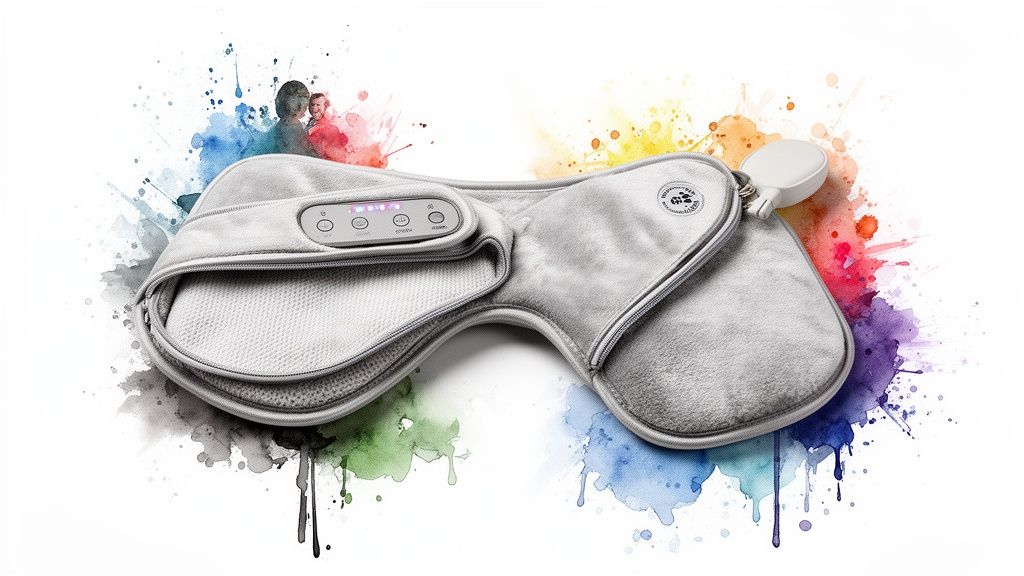
Adjustable Temperature and Auto Shutoff
When it comes to electric heating pads, two features stand out as absolute must-haves: control and safety. Arthritis pain isn't a one-size-fits-all problem. Some days, you might just need a bit of gentle warmth to ease stiffness. On other days, a more intense heat is the only thing that will touch that deep, throbbing ache. A pad with multiple heat settings puts you in the driver's seat.
Just as important is the auto-shutoff feature. Honestly, this is a non-negotiable. This simple safety function automatically powers down the pad after a set amount of time, usually anywhere from 30 minutes to two hours. It gives you incredible peace of mind, letting you fully relax—or even doze off—without a single worry about overheating or skin burns.
The Right Size and Shape for Targeted Relief
Take a moment and think: where does your arthritis hit you the hardest? Your answer is the key to picking the right size and shape. A small square pad isn't going to do much for sciatica pain running down your leg, and trying to wrap a big, flat pad around your shoulder is just awkward and ineffective.
Here’s a quick rundown of common shapes and what they’re best for:
- Large Rectangular Pads: These are workhorses for broad areas like your lower back or for draping across both legs. They offer fantastic coverage for widespread muscle soreness.
- Contoured Neck and Shoulder Wraps: These are specifically designed to drape over your shoulders and hug your neck. They’re brilliant for delivering heat right where you need it in those complex, tense muscles. Many are even weighted for a little extra comforting pressure.
- Flexible Joint Wraps: Perfect for knees, elbows, and ankles, these usually come with Velcro straps. The straps are a game-changer, keeping the pad securely in place so the heat stays put, even if you need to move around.
Real-World Example: Someone with osteoarthritis in their neck will get infinitely more relief from a contoured wrap than a standard rectangle. Its ergonomic shape ensures the heat actually penetrates the trapezius muscles and the base of the skull, right where that painful tension builds up.
Material Comfort and Washability
A heating pad is going to be sitting directly against your skin, so the material it’s made from is a big deal. You'll want a fabric that’s soft to the touch, non-irritating, and lets your skin breathe. The best pads often use materials like microplush or soft fleece—they feel amazing and help spread the heat out nice and evenly.
And let's talk about hygiene. A pad with a machine-washable cover is a must. This simple feature makes it incredibly easy to keep your pad clean and fresh, which is essential for any health product you're using on a regular basis.
Moist vs. Dry Heat Options
One of the most powerful features to look for is the ability to produce moist heat. While pretty much any electric pad provides dry heat, many of the best models come with a small sponge or fabric insert you can dampen. This creates a steamy, penetrating warmth that feels completely different.
Why is this so important? Many people—and physical therapists—find that moist heat penetrates deeper into muscle tissue than dry heat. This can provide more effective relief for chronic stiffness and that deep-seated joint pain that’s so hard to reach. It's a feature that can seriously upgrade your heat therapy sessions. The demand for more advanced heat is growing, with some reports predicting the infrared heating pad market will expand by about 22.1% annually from 2025 to 2032 due to claims of deeper tissue penetration. You can discover more insights about the heating pad market on databridgemarketresearch.com to see where the technology is headed.
In the end, choosing the best heating pad for your arthritis is all about matching its features to your personal needs. If you prioritize adjustable controls, the right shape for your body, comfortable materials, and the type of heat that feels best to you, you’ll find a reliable partner to help you manage your arthritis pain.
Getting the Most Out of Your Heating Pad (Safely!)
It’s one thing to own a heating pad, but it’s another to use it in a way that truly unlocks its pain-relieving power. When you're managing arthritis, safety is everything—especially if your skin is sensitive or your condition has changed how you feel temperature in certain spots. A few simple ground rules can make sure every session is both a comfort and completely safe.
There's a reason heating pads have become a go-to tool for tens of millions of people dealing with arthritis and other chronic joint pain. As more people seek out non-drug relief, both users and doctors keep coming back to the same key features: safety, consistent warmth (usually in the 40–60°C range), and portability. These are the things that truly define the best heating pad for arthritis.
The Golden Rules of Heat Therapy
Think of these as your non-negotiables for safe and effective heat therapy. Following them will protect your skin and ensure you only get the good stuff—relief—without any of the risks.
- Watch the Clock: Stick to sessions of 15-20 minutes. That’s the sweet spot for increasing blood flow and loosening up muscles without running the risk of low-temperature burns.
- Create a Buffer: Never, ever put a heating pad directly on bare skin. A thin towel, a t-shirt, or the pad's own fabric cover is a must to act as a barrier.
- Don't Doze Off: It can be tempting to drift off when the warmth is so soothing, but it's a huge risk with an electric pad. Only fall asleep if you're absolutely certain it has a trustworthy auto-shutoff timer.
The goal here is gentle, penetrating warmth—not scorching heat. If your skin starts to feel uncomfortably hot or looks angry and red, that's your cue to turn it off and take a break.
For a deeper dive, our complete guide on heating pad safety has even more detailed advice.
When to Keep the Heating Pad on the Shelf
Heat is a fantastic friend for chronic, nagging aches, but it’s not the answer for every situation. In fact, applying warmth at the wrong time can actually make things much worse. It’s just as important to know when not to use heat.
Put the heating pad away if you're dealing with:
- A Brand-New Injury: If you just twisted your knee or pulled a muscle in the last 48 hours, the area is inflamed. Heat brings more blood flow, which will only crank up the swelling and pain. Grab an ice pack instead.
- Open Wounds or Skin Infections: Applying heat over broken skin is a bad idea. It can slow down the healing process and could even help an infection spread.
- Reduced Sensation: If you have nerve damage from diabetes or another condition, your body's "it's too hot!" alarm system might not work properly. Be extremely careful, as you could get a burn without even realizing it.
Taking Your Relief to the Next Level
Want to make your heating pad work even harder for you? Think of it as a warm-up tool, not just a pain reliever.
Here's a pro-tip: Use your heating pad for about 15 minutes on a stiff, achy joint before you do any gentle stretching. The heat makes your muscles and connective tissues more pliable and ready to move. This simple one-two punch can do wonders for your flexibility over time, turning your heating pad from a passive comfort item into an active part of your pain management strategy.
Your Heating Pad Questions Answered
When you're first exploring heat therapy, it's natural to have a few questions. You want to be sure you're getting all the benefits without any of the risks. To help you feel completely confident, we've pulled together some of the most common questions people ask when using a heating pad for their arthritis.
Our goal here is to clear up any confusion you might have. From how long to leave a pad on to whether moist heat is really better than dry, this is your go-to guide for making heat therapy a safe, effective, and trusted part of your daily routine.
How Often Can I Use a Heating Pad for My Arthritis?
This is probably the number one question we hear, and for good reason—timing is everything. The sweet spot for a single heat therapy session is generally 15 to 20 minutes. That's usually enough time to boost circulation and relax tight muscles without overheating the skin.
You can absolutely repeat these sessions a few times throughout the day whenever you feel you need them. The key is to listen to your body. If you wake up with a particularly stiff back, a 20-minute session is a fantastic way to get moving. If the ache creeps back in the afternoon, go for another round. Just make sure you give your skin a solid break of at least 30 to 40 minutes between sessions so it can cool down and return to a normal temperature.
Is Moist Heat or Dry Heat Better for Arthritis Pain?
This is a great question, and the answer often comes down to personal preference and the type of pain you're feeling. While both are effective, they feel and work a little differently.
- Moist Heat: Many people with deep, chronic arthritis pain swear by moist heat. It has a unique ability to penetrate deeper into muscles and tissues, which is a huge advantage for stubborn joint stiffness. Microwavable pads are the classic source of moist heat, but some electric pads also have a sponge insert you can dampen.
- Dry Heat: This is the consistent, easy warmth you get from a standard electric heating pad. It’s incredibly convenient—just plug it in and you're good to go. For more general soreness or when you just want a comforting, steady warmth, dry heat is often the perfect choice.
Think of it this way: Someone with deep-seated hip arthritis might prefer the penetrating relief of moist heat to really get into that joint. On the other hand, a person with more surface-level achiness across their lower back might find the simple, sustained warmth of a dry electric pad is the best heating pad for arthritis relief for them.
Can a Heating Pad Make My Arthritis Worse?
While heat is a fantastic tool for the everyday aches of chronic arthritis, there are certain times when it can do more harm than good. The most important rule to remember is this: never apply heat during an acute inflammatory flare-up.
So, how can you tell if you're having a flare-up? Look for the tell-tale signs of active inflammation: the joint will likely be red, visibly swollen, and feel hot to the touch. Putting a heating pad on a joint in that state will only increase blood flow to an already "angry" area, which can ramp up the swelling and pain.
During those acute flare-ups, cold therapy is what you need. Grab an ice pack and apply it for 15-20 minutes at a time. The cold will help constrict blood vessels, calm the inflammation, and numb the area. Once the flare has passed and the pain has settled back into its usual chronic ache, you can bring your heating pad back into the rotation.
What Is the Difference Between a Cheap and an Expensive Heating Pad?
When you’re standing in the aisle at the store, it’s tempting to just grab the cheapest heating pad available. But when it comes to a therapeutic tool you'll be using regularly on your body, paying a little more upfront often pays off big time in terms of safety, comfort, and effectiveness.
Here’s a quick rundown of what that extra investment usually gets you:
- Superior Materials: Higher-end pads often use softer, more comfortable fabrics like microplush that feel great against your skin and help distribute heat more evenly.
- Advanced Safety Features: A reliable auto-shutoff timer is a non-negotiable safety feature, and better models have more precise and trustworthy controls.
- Consistent Heat Delivery: Cheaper pads are notorious for developing "hot spots" and providing uneven warmth. Premium pads use better internal wiring to ensure the temperature is stable and consistent across the entire surface.
- Durability and Longevity: A well-made heating pad is simply built to last. You’ll find stronger seams, more robust cords, and high-quality washable covers that won't fall apart after a few uses.
At the end of the day, choosing the best heating pad for arthritis means investing in a reliable, safe, and comfortable tool that you can count on for consistent relief for years to come.
Ready to experience the soothing benefits of premium, clinic-trusted heat therapy? SunnyBay offers a wide range of U.S.-made microwavable heating pads designed for targeted relief, from hands-free neck wraps to versatile joint pads. Find your perfect drug-free pain relief solution today at https://sunny-bay.com.


